Japanese manga publisher Shueisha has publicly condemned OpenAI after a wave of AI-generated videos appeared to mimic iconic anime and manga works without consent.
Shueisha has published some of the biggest names in manga, which have also been adapted into beloved anime TV series. Titles published through its Shōnen Jump and Jump Square magazines include One Piece, Dragon Ball, Blue Exorcist, and Chainsaw Man.
At the end of September, OpenAI put out a preview of Sora 2, its updated video generator. Soon after, a clip titled "Temu Blue Exorcist" spread across social media, clearly referencing the manga of the same name.
Shueisha’s statement toward OpenAI
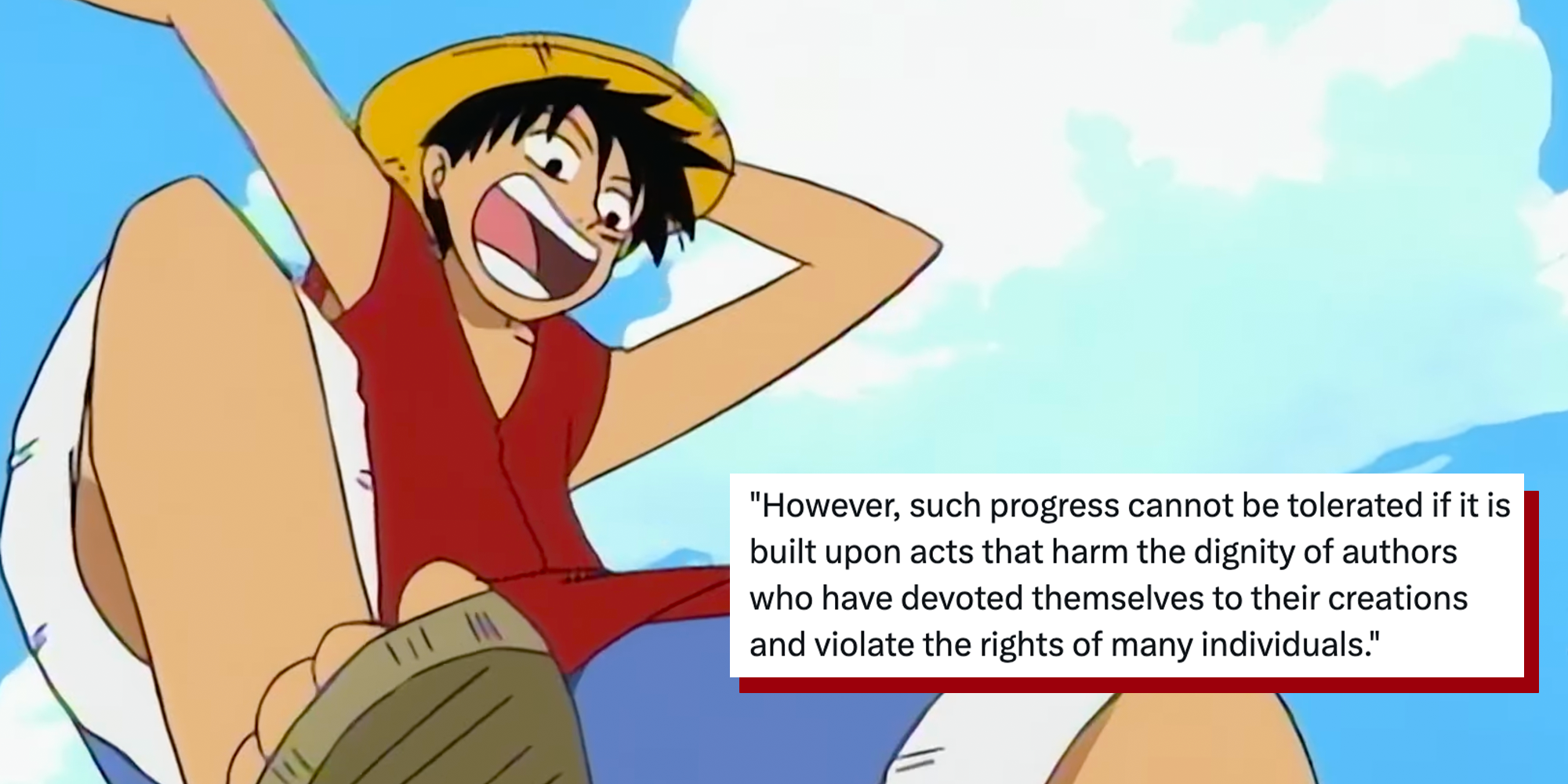
Shueisha published a detailed complaint and stressed, translated from Japanese, that several OpenAI videos "infringe on copyrights for anime and characters." The company added, "Advances in generative AI should be welcomed as they enable more people to share the joy of creation and enjoy creative works. However, this should not be achieved by trampling on the dignity of artists who poured their heart and soul into their world and violating the rights of many others."
The complaint argued that creators needed more control than a single opt-out form. It noted that these systems often failed to secure informed consent. Shueisha added, "Regardless of whether generative AI is used or not, we will take appropriate and strict action against anything that we determine to be infringing the rights related to our works."

That being said, it is common knowledge in the fandom at large that manga and anime companies overwork their creatives. Burnout and long-term physical health risks are widespread in these industries. Anime News Network (ANN) reported that 98% of mangaka are self-employed. "This means that there's nothing stopping people from working 18-hour days, and some artists freely admit to doing just that to meet tight deadlines," wrote ANN.
Meanwhile, other major companies issued similar concerns. CODA, an organization founded in 2002 to combat piracy of Japanese media and promote them globally, released a statement. It said that "a large portion of content produced by Sora 2 closely resembles Japanese content or images." It warned that "the act of replication during the machine learning process may constitute copyright infringement."
Online reactions to Shueisha’s statement
Anime and manga fans responded quickly to the news. X user @SamuelDeats wrote, "YYYEAAAAAHH BOOOYYYYYY, KEEP THE BLOWS COMIN'!!!!!"
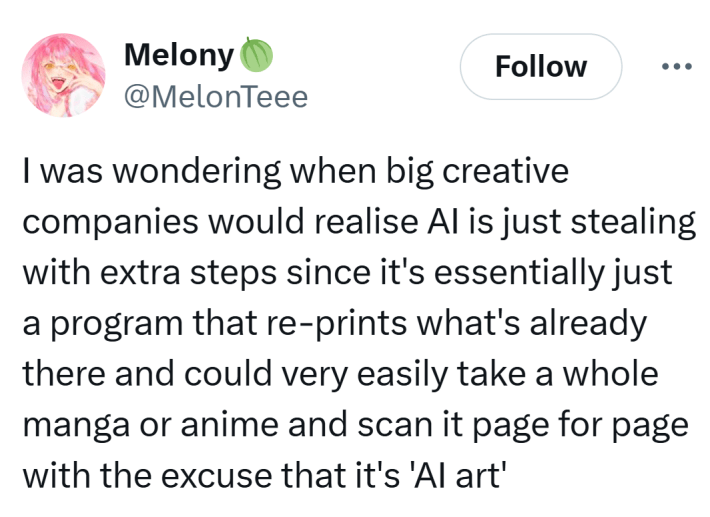
@ultralevixz1 added, "SHUEISHA ACTUALLY DOING [SOMETHING] GOOD FOR ONCE."
Several others supported firm enforcement. @JamTelevision wrote, "I agree with their statement of going after anyone who uses it to harm the integrity of the original creator/author." Meanwhile, @GoatPhew wrote simply, "F*CKING GET THEM!!!!!!!!!!!!"
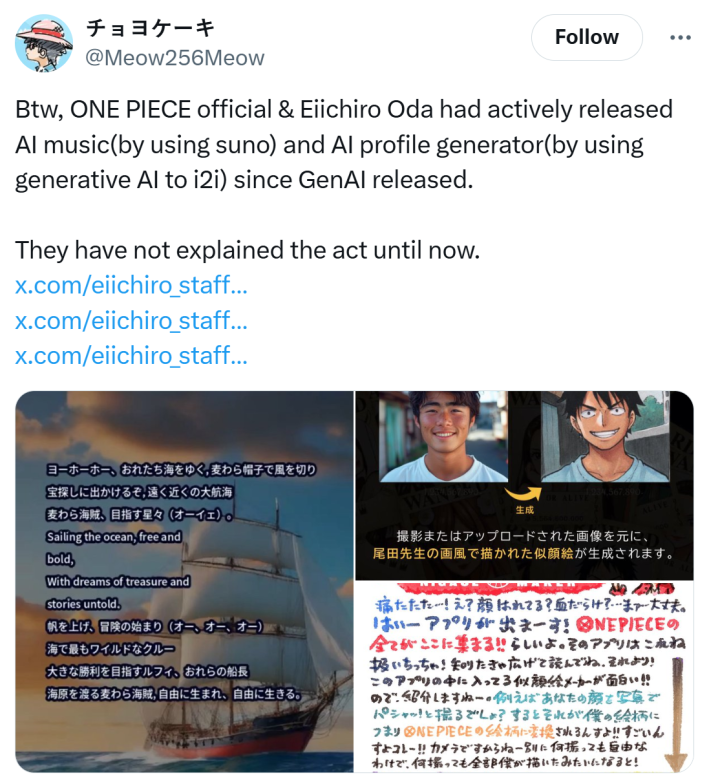
Yet some comments criticized Shueisha’s stance.
For example, @Meow256Meow noted that "ONE PIECE official & Eiichiro Oda had actively released AI music (by using suno) and AI profile generator(by using generative AI to i2i) since GenAI released."
The internet is chaotic—but we’ll break it down for you in one daily email. Sign up for the Daily Dot’s newsletter here.