


A new TikTok trend is shedding light on the power of words—fake ones, at least. In the “random words” trend, Gen Z TikTokers are pranking each other by saying made-up slang to the camera in groups, and then pretending like one friend in the group said a racial slur. While many viewers found these videos to be hilarious, others found joking about racial slurs to be privileged and lacking sensitivity, considering the continued prevalence of racism in social and political contexts.

What is the ‘random words’ trend?
Though the name is slightly misleading, the “random words” trend is a prank played on a friend, perpetuated on TikTok by Gen Z users. In the trend, a group of TikTokers sit in front of the camera (two people or more) and take turns making up and then defining their imaginary slang terms. When one individual says their made-up slang word, the rest of the friends pretend to be shocked, acting as if that friend uttered a racial slur. The pranked friend is then confused, mortified, and ashamed by what they’ve just said.
@mollyconnelly09 got her😛 #viral #funny #fyp #prank ♬ original sound – molls
The ‘random word’ trend’s origin and spread
The trend began in late February 2025, with users @TheJacobsons and @andreafisherr making videos that garnered over 29,000 and 87,000 views, respectively. In March and April, the prank gained more traction. While the trend doesn’t have a defined name or hashtag (beyond the different names creators use to label the trend in their videos) the hashtag #fakewords currently has over 25,000 posts, while #prank has 9.5 million posts.
@kylie_walker #prank @Lenny💨🌭‼️🆒 @m e g ♬ original sound – Ky 💌🪩🏠💐
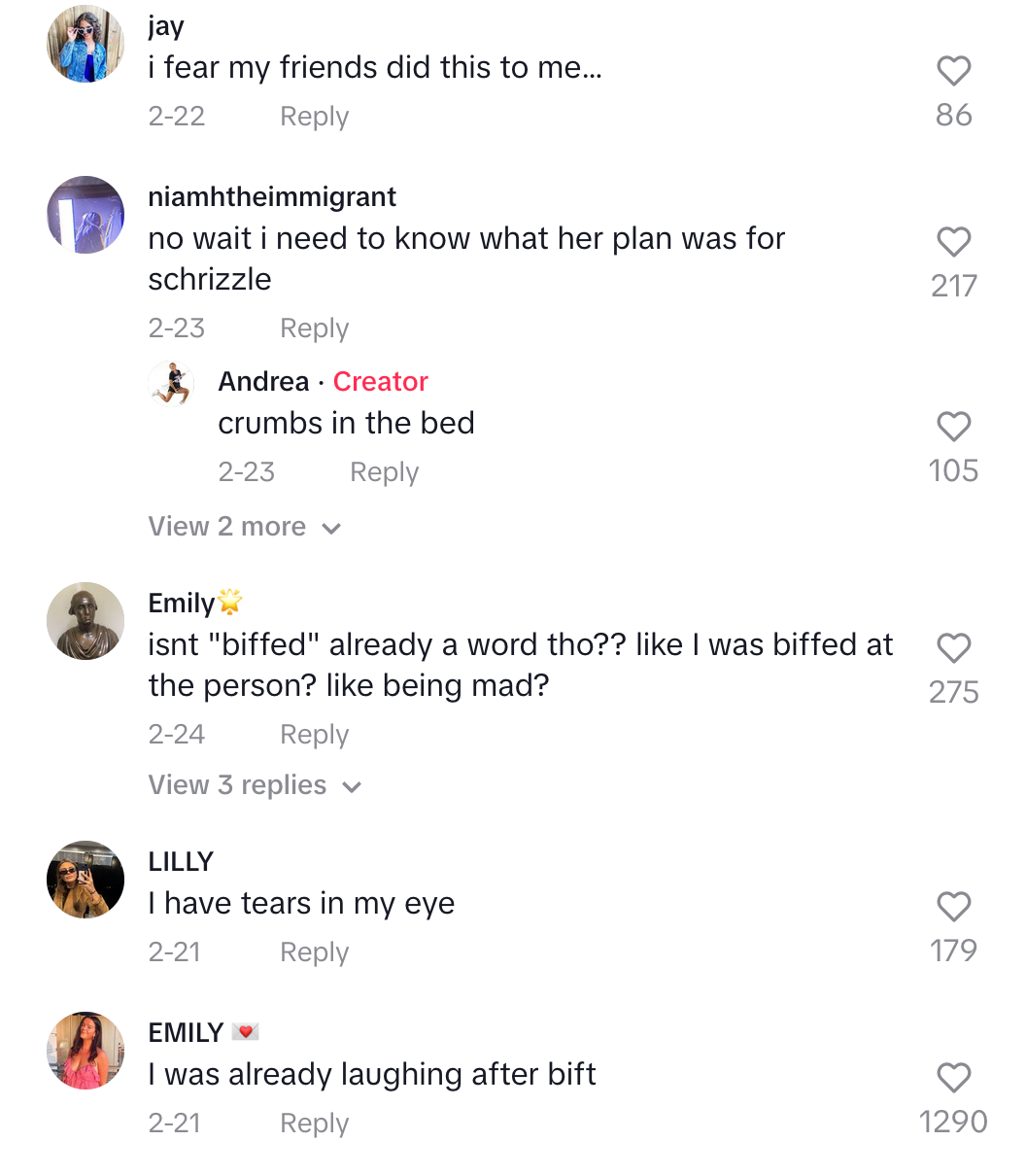
On TikTok, random word videos were getting mostly positive and encouraging feedback. “I have tears in my eye,” read one comment. “Oh my god this is so good,” read another. “I was already laughing after bit,” a third comment read.
Fake slurs, real backlash: The TikTok trend testing Gen Z’s moral line
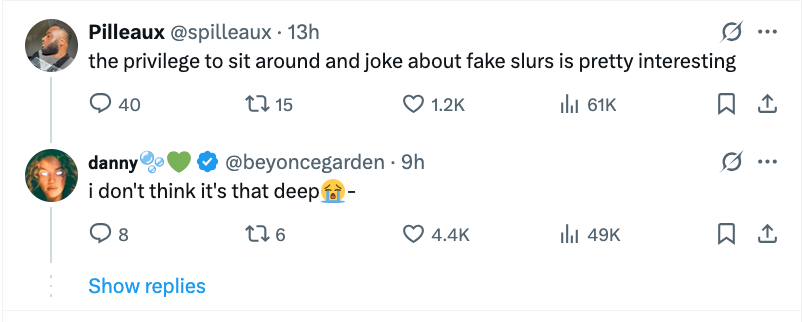
On April 15, 2025, @beyoncegarden reposted one of the viral random words videos to X, where it garnered more mixed reactions. Though some comments were positive, on X many users passive-aggressively or angrily called out the trend as being insensitive. These users lightly pointed to the sensitivities around pranking someone based on a fake slur.
“That’s not right,” read one comment. “And people say evil doesn’t exist,” read another. “The privilege to sit around and joke about fake slurs is pretty interesting,” a third comment read, to which the OP responded, “I don’t think it’s that deep.”
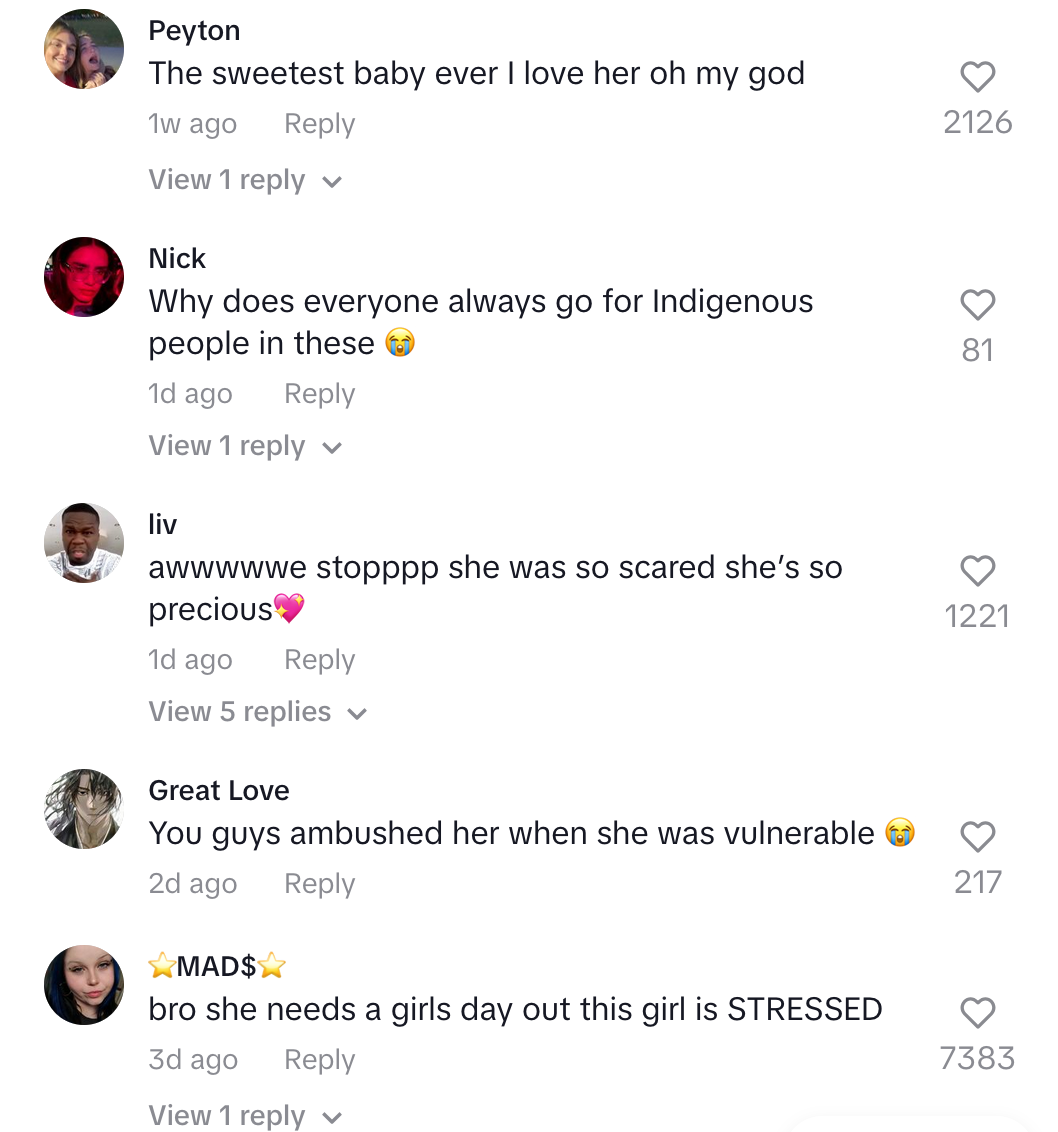
A third reaction also emerged from the trend. Some commenters were humorously protective of those getting pranked, especially because they were so young and seemingly impressionable. On the @Icecharlotteespresso video, comments read, “the sweetest baby ever I love her oh my god.” “bro she needs a girls day out this girl is stressed,” and “you guys ambushed her when she was vulnerable.”
‘Progress’ and perception
There is evidence to show that teenagers may not take charged political issues as seriously as their parents, making the trend feel lighter and perhaps more innocent to participate in and enjoy.
According to a Harvard research study led by Stefanie Stantcheva, a professor of economics, teens tend to align with their parent’s political views, but differ in one way: “Teens are more likely than their parents to think that there has been progress made on racial economic disparities,” Stantcheva said. This might account for a difference in opinion on a trend’s perception and meaning as it is shared along many social media platforms.
The internet is chaotic—but we’ll break it down for you in one daily email. Sign up for the Daily Dot’s web_crawlr newsletter here to get the best (and worst) of the internet straight into your inbox.


