


TikTok is no stranger to viral filters, but its latest AI-generated effect is sparking backlash for all the wrong reasons. The “Chubby” filter, which alters photos to make users appear larger, quickly gained traction as people shared “before and after” shots—often using captions and audio that framed the transformation as embarrassing or anxiety-inducing.
Critics say the trend isn’t just harmless fun—it reinforces fatphobia, mocks larger bodies, and undermines years of progress made by the body positivity and size inclusivity movements. As videos calling out the filter rack up millions of views, the debate reflects a growing concern that social media is sliding back toward toxic beauty standards and thin-obsessed culture.
There’s an amaaazing new trend on TikTok where skinny girls use a filter to become “chubby” and laugh laugh at the results and everyone else laughs and it’s sooooooo funny and we definitely aren’t spiralling back down to pro ana death to fats era that damages every young woman pic.twitter.com/p2SsnmSNTb
— Bec Shaw (@Brocklesnitch) March 17, 2025
What is the ‘chubby’ filter on TikTok?
The “Chubby filter” is an AI-generated photo editor that allows users to share photos of themselves looking like they have bigger bodies.
Users of this filter found their “transformation” humorous, using bikini photos or photos on the beach. These accounts often discussed how ridiculous or bad it would be if they had the body the filter generated for them.
Sometimes, a sample of Doechii‘s track “Anxiety” serves as the clip’s audio component. The use of the song alludes to the actualization of the filter as something that makes them anxious, unhappy, or negatively judged. “Think I look great, off to get myself another cake,” read the caption of a video using the filter. Another video using the chubby filter’s caption simply said, “NOOOO!!”
@jadewareing280 #aifilter #CapCut NOOOO!! #fyp ♬ original sound – Riley2612
The Chubby filter is a sign we’re reverting to the days of body shaming and diet culture
Though “fat filters” have been around for years, the Chubby filter began trending in mid-March 2025. The backlash appeared near-immediately after. Users critical of the Chubby filter trend called it sick, disgusting, “fatphobic,” having “mean girl energy” and employing internalized misogyny.
“You are joining a culture of people who have been knowingly using the trend to either mock people who are considered overweight or chubby, or are knowingly using that trend to fish for being flattered about your weight pre-using that trend,” said London Lifestyle & Food influencer @overfilteredovereaten in a video she shared about the filter.
“I don’t think it’s funny. I don’t think it’s lighthearted. It’s part of this bigger problem of diet culture and heroin chic really becoming a proper trend on social media at the moment. Please stop.”
@overfilteredovereaten The AI chubby filter: It’s not funny or lighthearted and anyone who claims that it is is either naive to the origin of the trend or the aspirations of people using the feature (flattery on being a smaller size/ fat shaming people who aren’t that creators current size) OR they have used the filter for their page and are playing dumb to the comments because it might have given them a few new followers or likes on their profile. Sick. Stop doing it. A morning rant on my top line thoughts because I don’t know WHY my algorithm is pushing this trend on me as a creator who has always spoken out to the opposite effect. #aitrend #chubbytrend #ana #stop #notfunny #recovery #naive ♬ original sound – SaffsStuff
As the trend continued, videos critical of the trend became even more popular than videos using the filter. In one video that garnered over 93,000 views, creator @itsamberco aired her frustration over the trend. “Karma is a b*tch huns and being mean doesn’t make you pretty.”
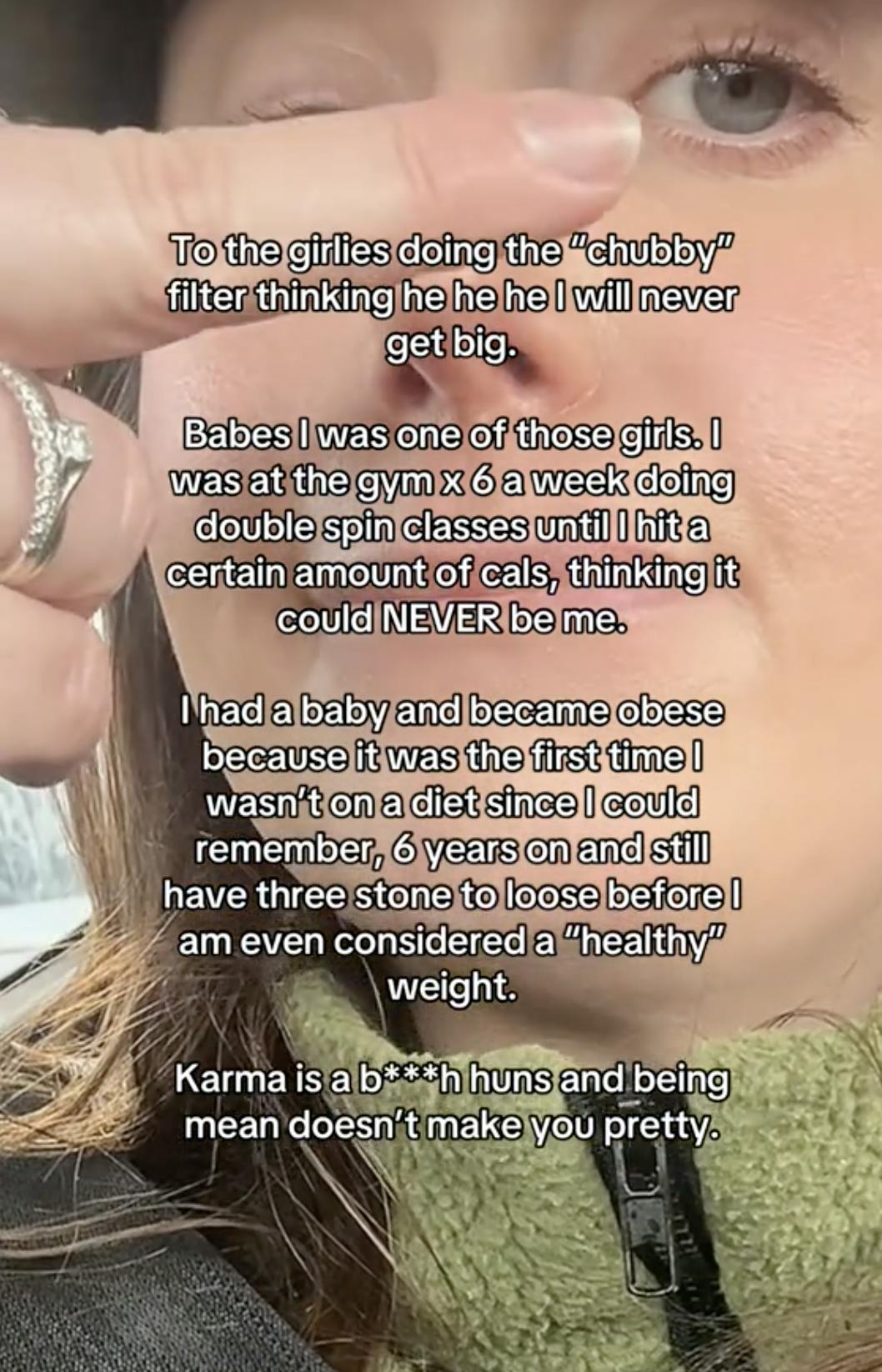
Other observers of the trend found it more ironic than disturbing. They felt that those using the filter looked more attractive after it was applied. In a video by @urfatbigsis, the creator admitted, “A lot of you look better after.”
@urfatbigsis you guys are really out here making fun of fat people again???? when we look better in low rise jeans????? #chubbyfilter #body #bodyconfidence ♬ original sound – Riley2612
Is size inclusivity on the decline?
The Chubby filter trend is indicative of a larger shift back to celebrating skinner bodies. The Vogue Business 2025 size inclusivity report revealed that size inclusivity had declined once again, as had been the trend in other recent seasons.
“For me, it was the worst season in a long time,” said Emma Davidson, fashion features director at Dazed. “It has felt like brands were turning their back on inclusive casting for a while. But this season, I sat in my seat a few times at shows where bigger models had previously been present, and it was so disheartening to see no representation — this season feels like the nail in the coffin.”
The dwindling representation of bigger bodies in media, in conjunction with the rise of Ozempic culture, really does make it feel like skinny is “back.”
As Rebecca Shaw pointed out in The Guardian this week, Vogue‘s cover story featuring Gigi Hadid was a Hairspray tribute that featured only thin people, despite the musical being known for its centering of fatness and fat people. The spread was met with a ton of backlash across social media.
The internet is chaotic—but we’ll break it down for you in one daily email. Sign up for the Daily Dot’s web_crawlr newsletter here to get the best (and worst) of the internet straight into your inbox.


