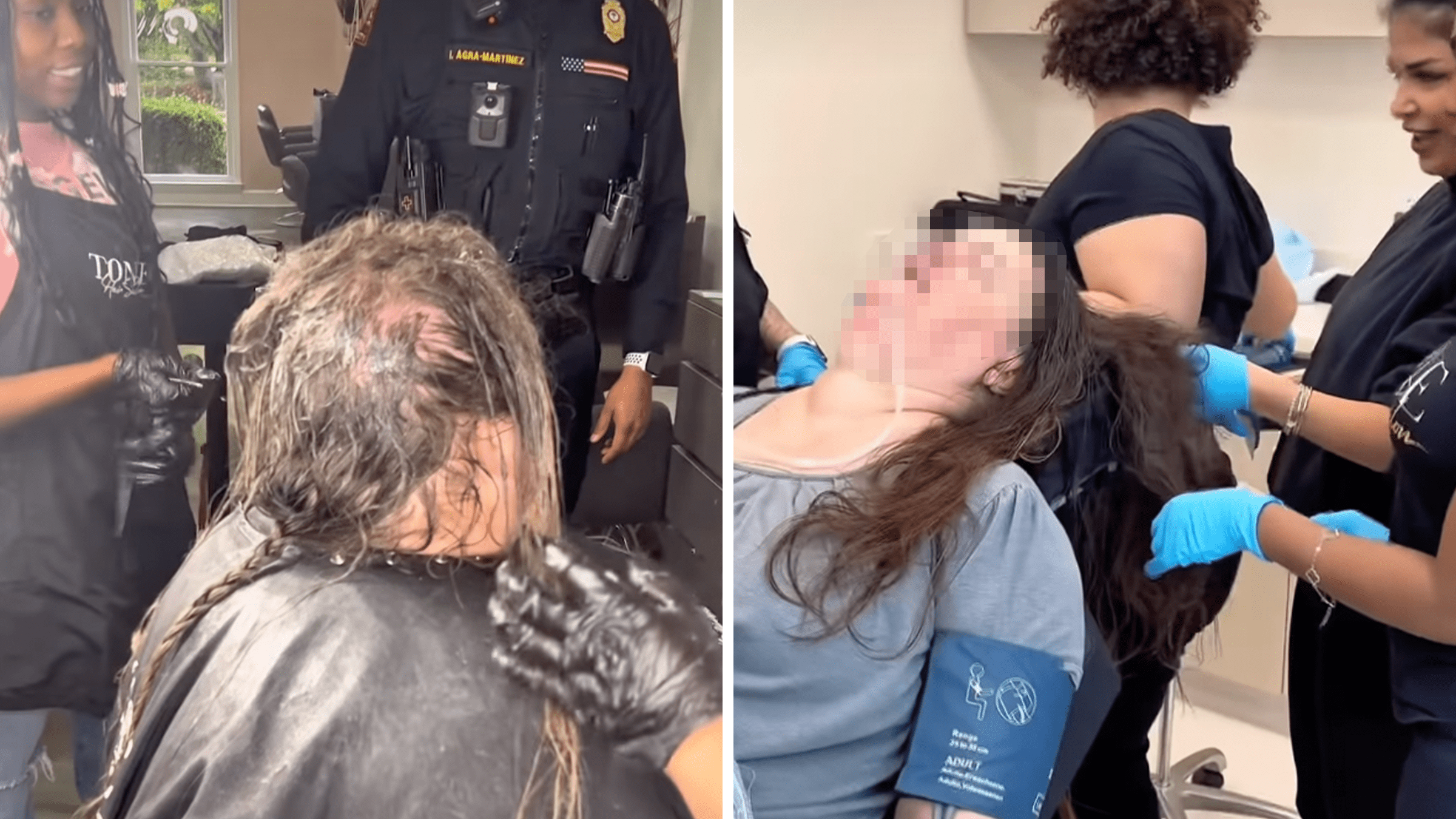
Videos showing clients undergoing “sedated dematting” have gone viral, sparking debate over safety, legality, and whether pain-free hair care should be controversial at all.
First up: what's a "dematting"?
Sedated dematting involves placing a client under medical anesthesia while a team of stylists carefully removes layers of severe knots. The service is designed for people who cannot tolerate the physical pain of traditional dematting due to disability, chronic illness, mental health challenges, or prolonged lack of access to grooming resources.
Clips detailing the process are getting attention on social media from critics with safety concerns and those who question if sedated dematting is even legal.
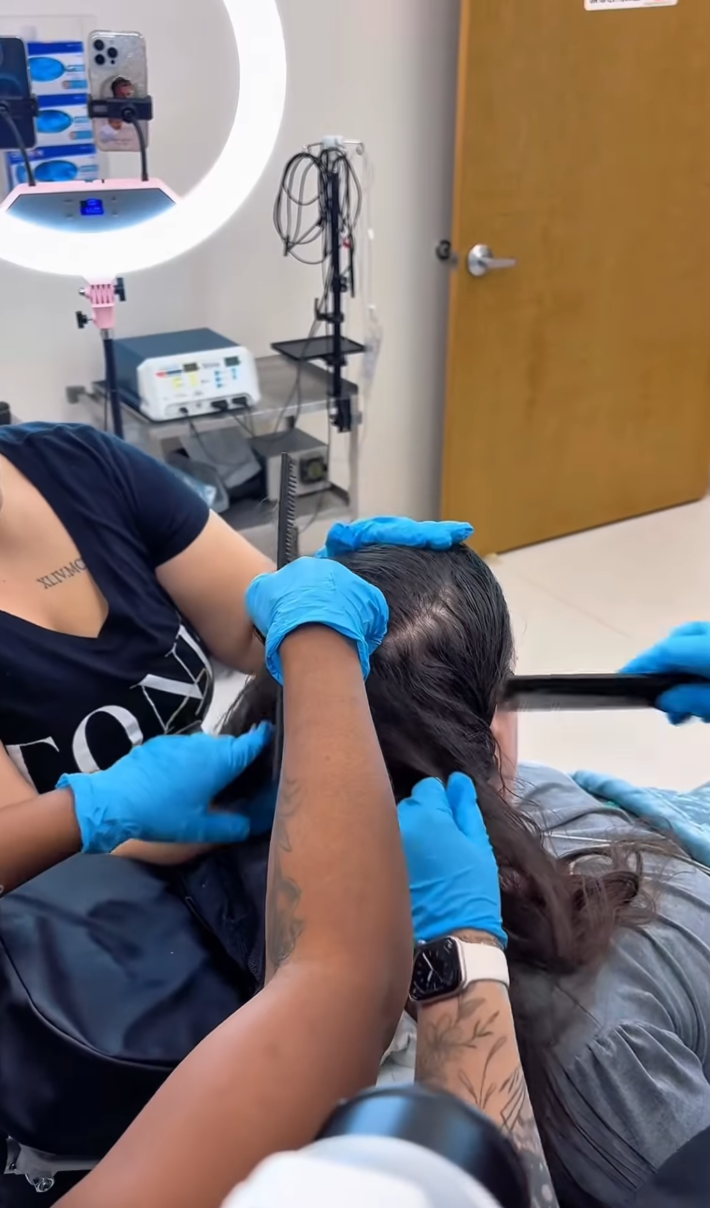
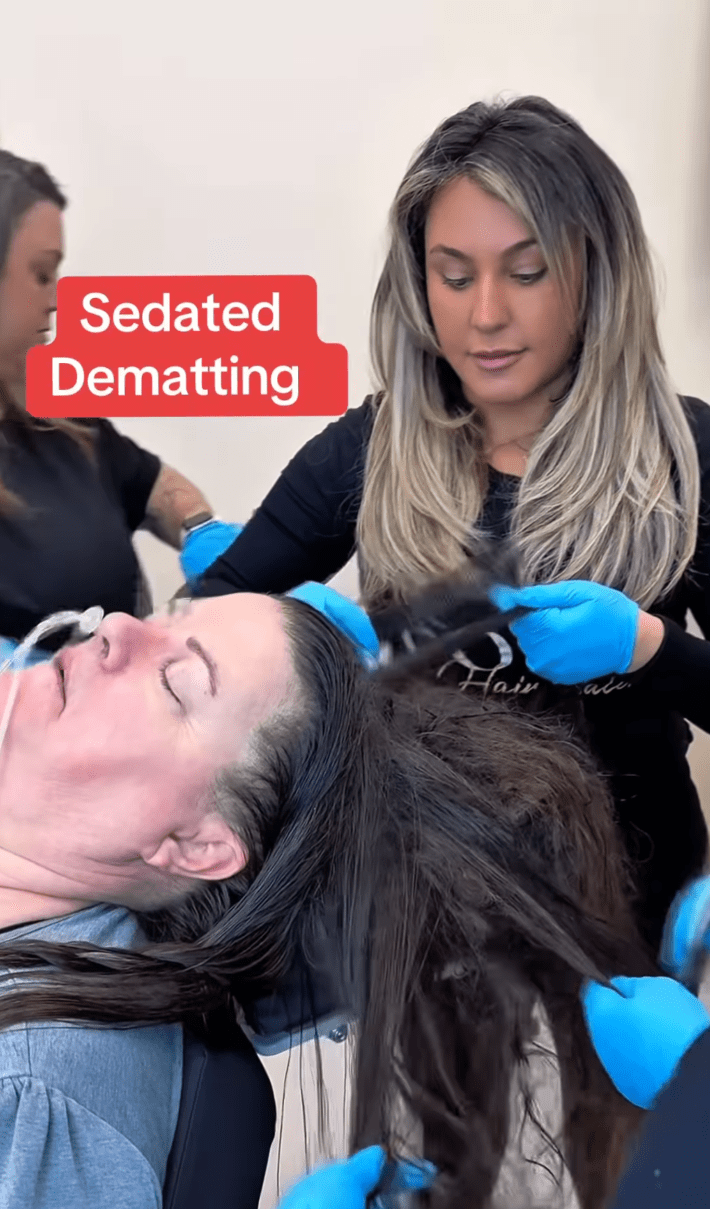
Hair stylist Leda Fazal, who has been openly sharing educational content about the process, performs sedated dematting with a team of up to six or seven stylists working alongside licensed medical professionals. In early 2026, Fazal posted a series of clips advocating for the service and explaining how it works.
The hair pro featured a story from a client named Becky whose debilitating back pain kept her from brushing her hair. “I have been going through a lot of back issues lately… It's hard to brush my hair,” Becky explained in the Instagram story from Feb. 6, 2026.
When Becky’s back pain intensified, it became unrealistic for her to maintain her hair. “I just left it and it kind of spiraled from there,” she said.
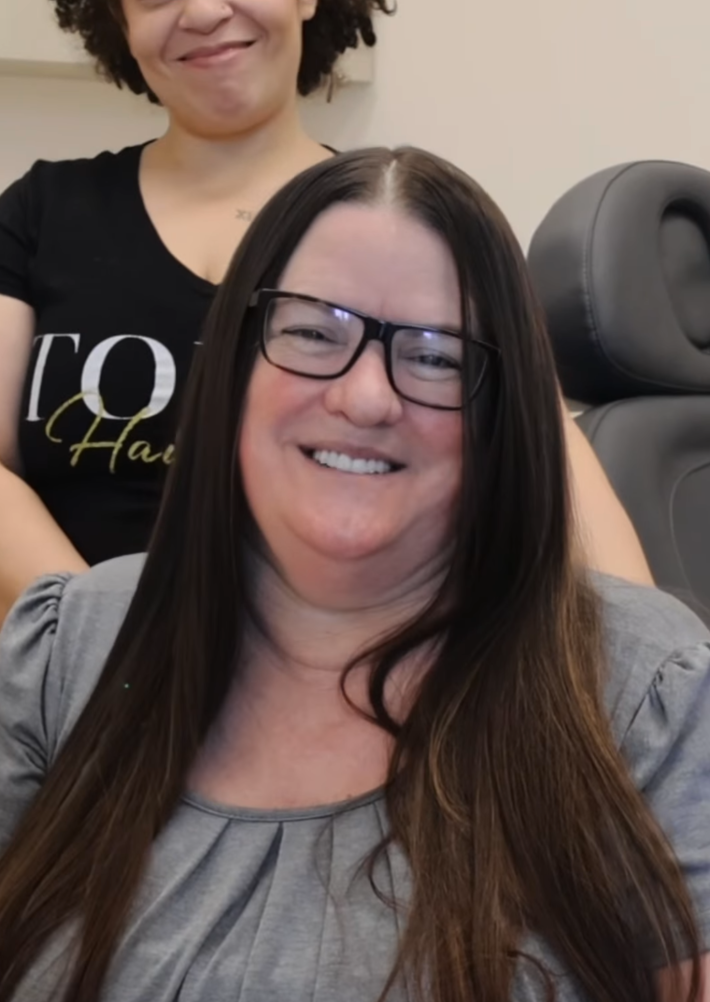
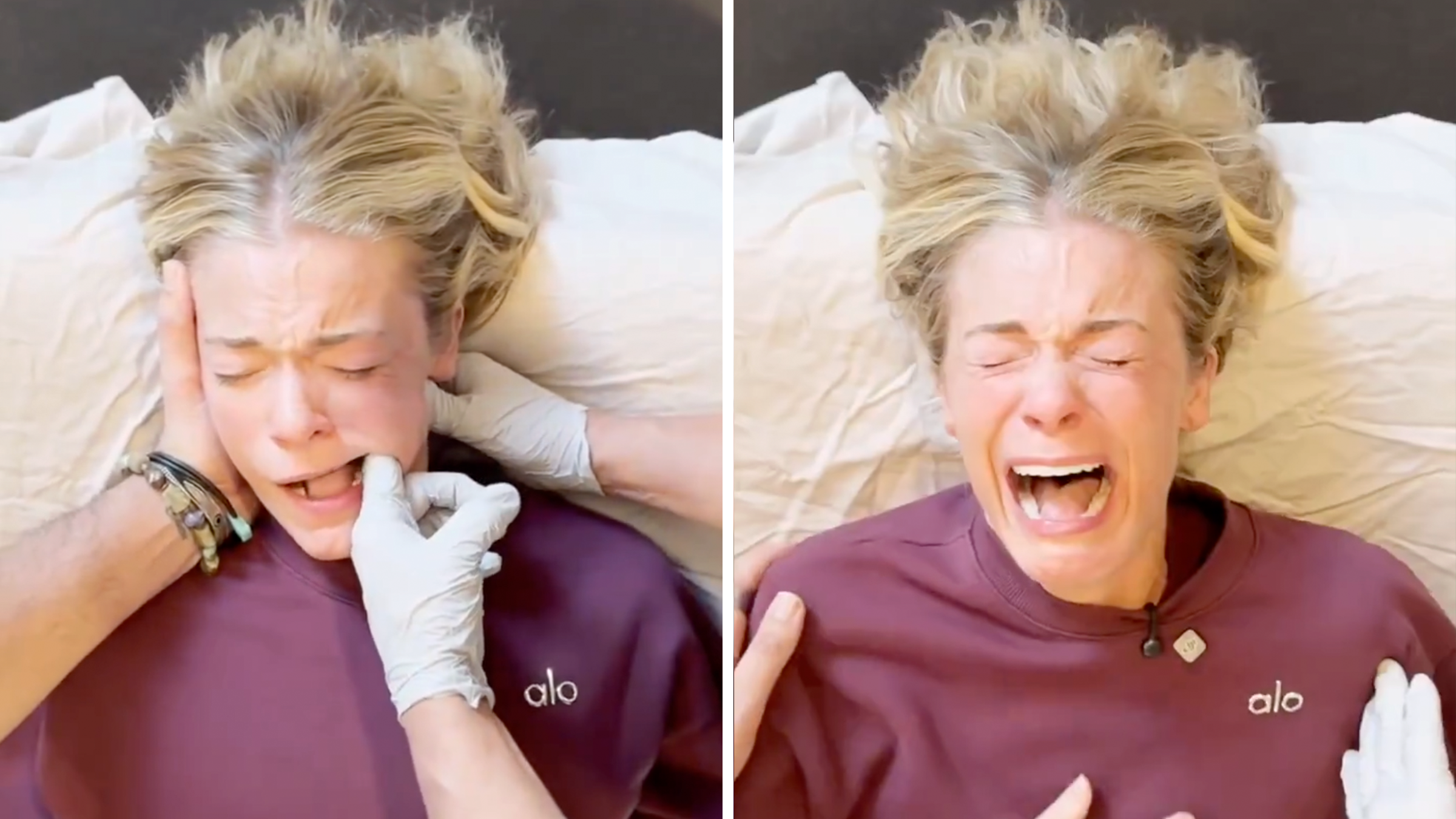
Fazal revealed Becky’s pain-free hair transformation in clips that showed a team of stylists untangling the matted hair to restore her long, healthy locks.
Although images of a sedated woman having her hair combed out sounded alarms for some, sedated dematting is performed under the supervision of a medical team at a licensed facility. The service is provided to clients who, due to disability or mobility issues, conditions like depression, or circumstances like homelessness, struggle to maintain hair grooming habits.
Hair pro asked viewers not to judge
“Please don’t judge,” Fazal wrote in a caption accompanying Becky’s story. “Becky is extremely tender-headed, and we had been searching for a free model for nearly two months for this specific type of dematting. When we offered Becky the opportunity, she was genuinely excited and fully on board.”
She added that stylists were responsible only for the hair itself, while anesthesia and monitoring were handled by a medical team.
“This was performed in a licensed medical facility with a medical team present,” Fazal wrote. “Stylists were only responsible for the hair dematting itself.”
Social media reacts to sedated dematting
Fazal’s sedated hair dematting clips resonated with people who pointed out that understanding the support needs of others isn’t always straightforward.
As the clips spread, the response online became sharply divided. Some users expressed discomfort with the idea, questioning whether cosmetic services should ever involve anesthesia. Others defended the practice as compassionate and practical.
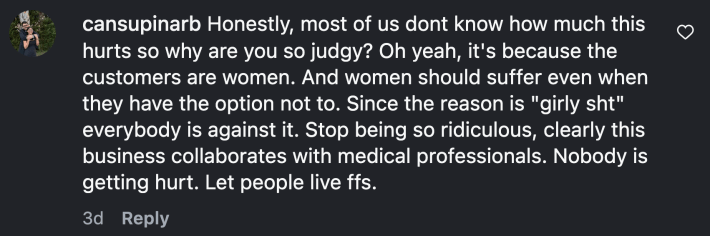
One user connected backlash against pain reduction for women to misogyny. “Honestly, most of us don’t know how much this hurts so why are you so judgy?” user @cansupinarb wrote. “Oh yeah, it’s because the customers are women. And women should suffer even when they have the option not to. Since the reason is ‘girly’ stuff, everybody is against it. Stop being ridiculous—this business clearly collaborates with medical professionals. Nobody is getting hurt. Let people live.”
Another commenter expressed concern and suggested that potential hair-dressing clients maintain their independence by opting for shorter, easier-to-maintain hairstyles.
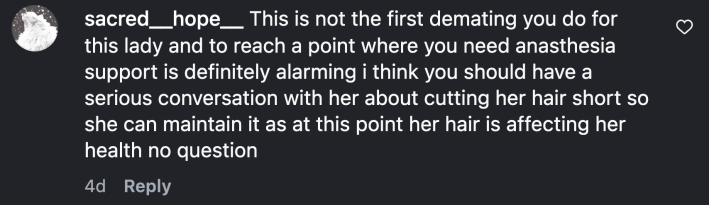
Instagram user @sacred__hope__ wrote, “This is not the first demating you do for this lady and to reach a point where you need anesthesia support is definitely alarming. I think you should have a serious conversation with her about cutting her hair short so she can maintain it, as at this point her hair is affecting her health, no question.”
The salon's owner speaks out
When reached via email, Leda Fazal explained more about her salon's practices. She explained that the salon has a "wide range of clients," which includes the viral videos of "individuals who are extremely tender-headed or have medical or sensory considerations that make traditional dematting especially difficult."
She added: "Situations like this are not our standard approach, but rather a collaborative solution used selectively when a client’s needs, comfort, and wellbeing warrant it, and when appropriate medical oversight is in place."
Fazal went on to explain that this particular dematting was "free of charge" and "was done voluntarily by the client, who was fully informed and enthusiastic about the option."
Some commenters in the viral video worried about the medical aspects of sedating the customers. Fazal says that in the viral video, "the sedation component was handled entirely by a licensed physician and medical team in a medical facility, using twilight sedation." She stressed, "Our role as stylists was limited strictly to the hair service itself."
"The goal was to allow the client to preserve her hair while avoiding unnecessary distress."
The internet is chaotic—but we’ll break it down for you in one daily email. Sign up for the Daily Dot’s newsletter here.