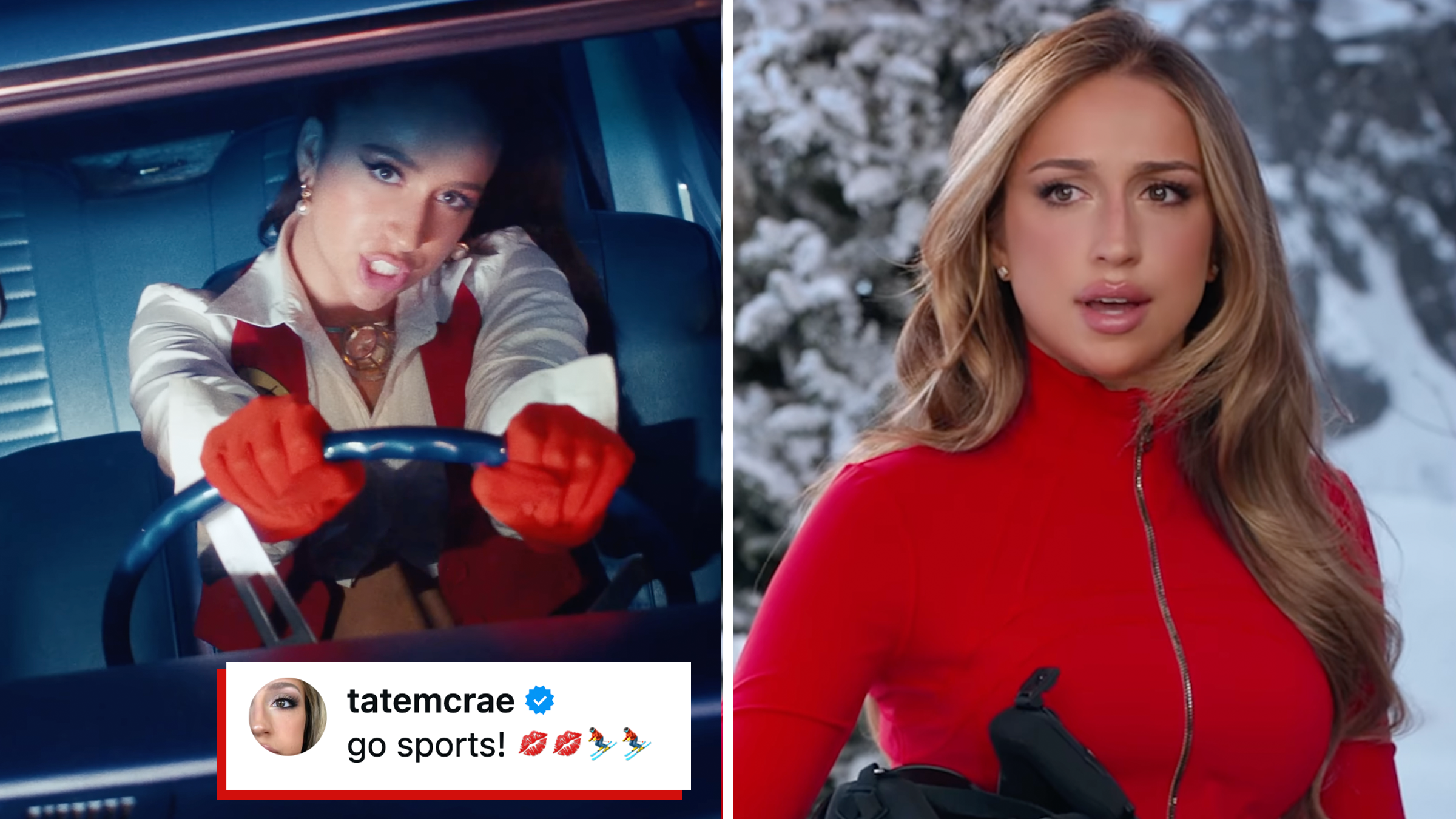
“Fire your PR team”: Tate McRae responds to backlash for promoting Team USA as a Canadian
"I don’t blame her for picking a winner though."


The Latest
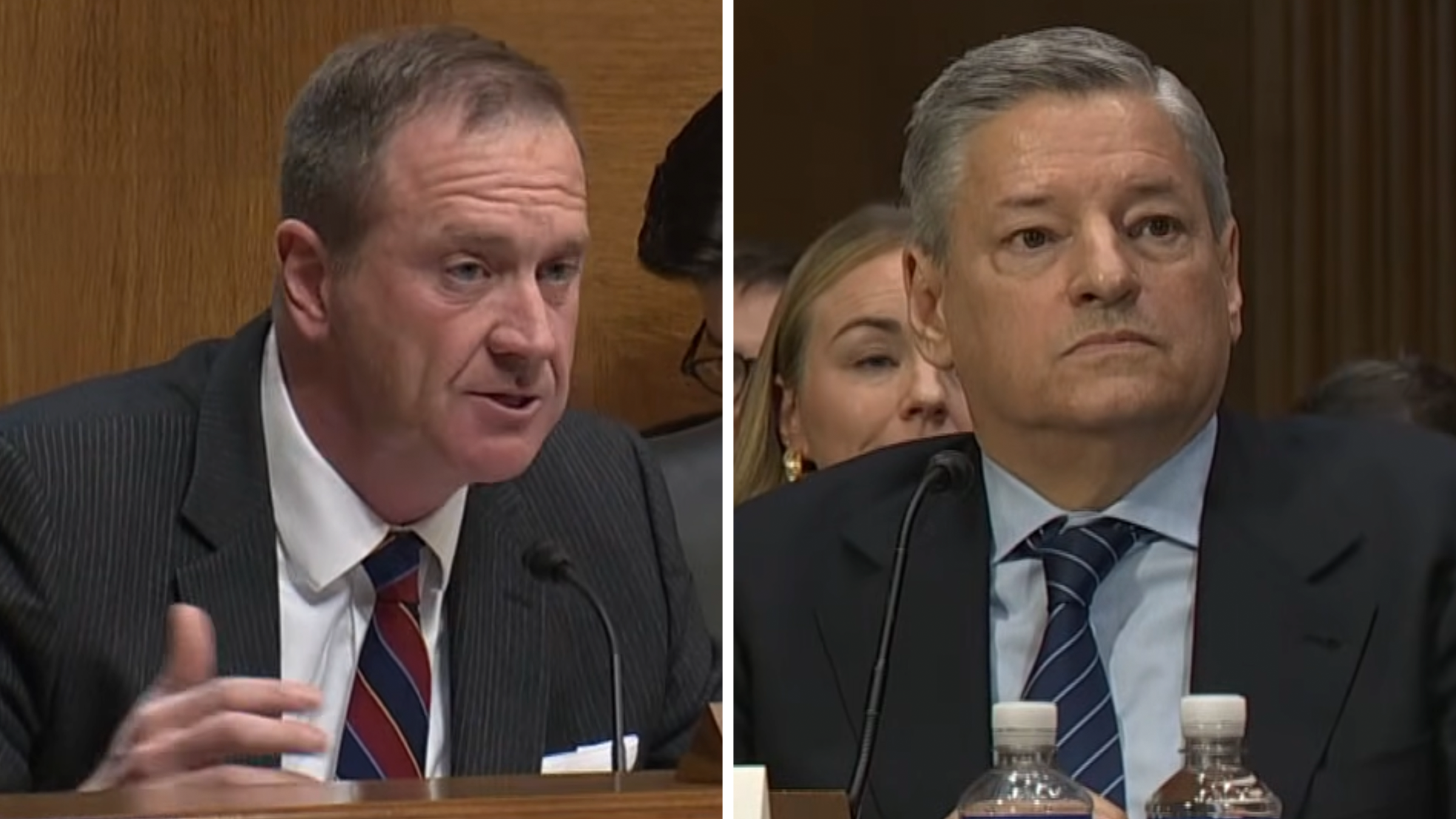
See all posts“Deeply revolting”: Fake immigration hotline catches kindergarten teacher calmly asking child’s parents be deported
"That little fella could have been a threat to our national security."

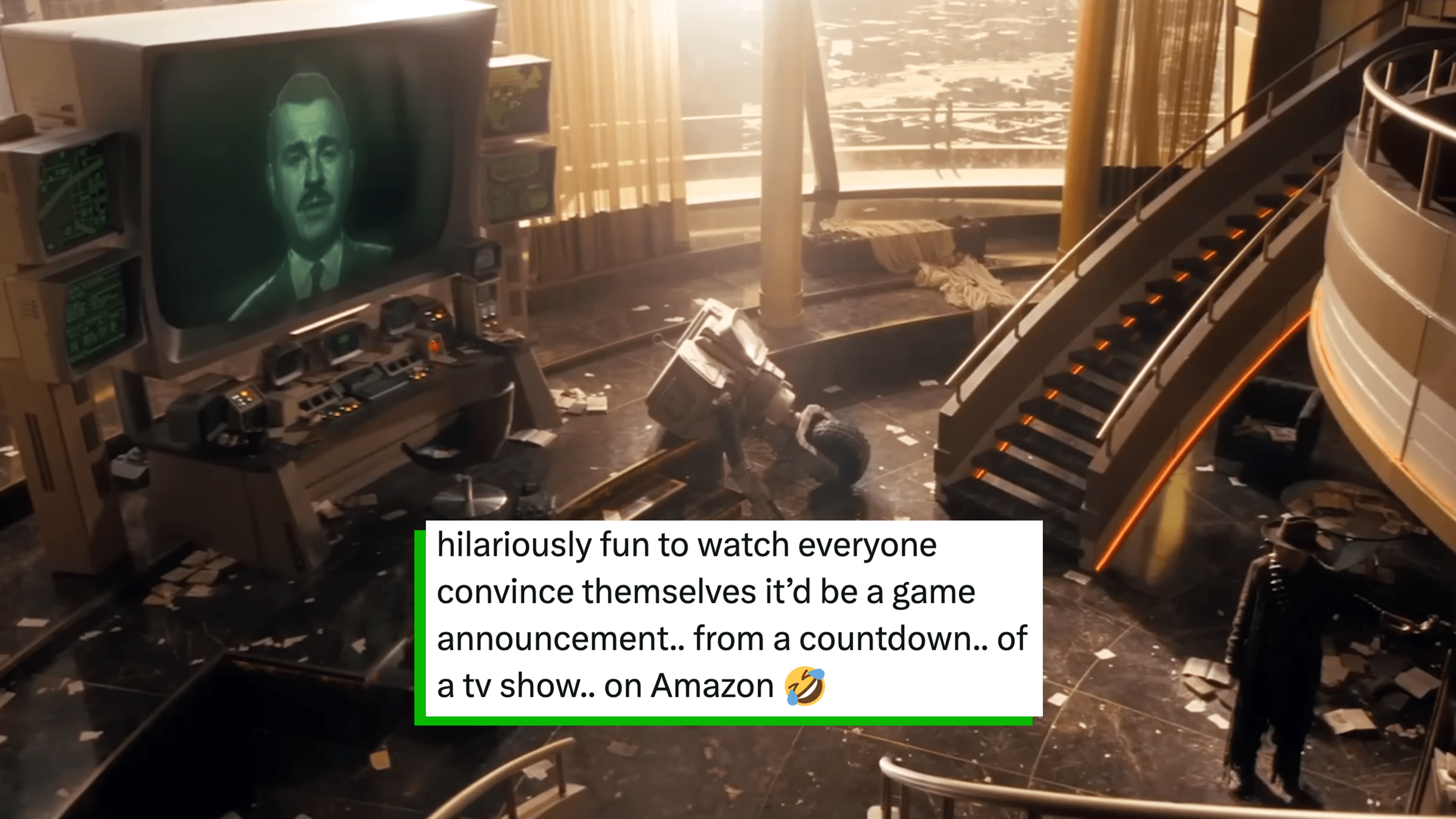
Fans theorized all season over what the “Fallout” map’s secret countdown would lead to. Now, they’re disappointed with the reveal
It was fun while it lasted.
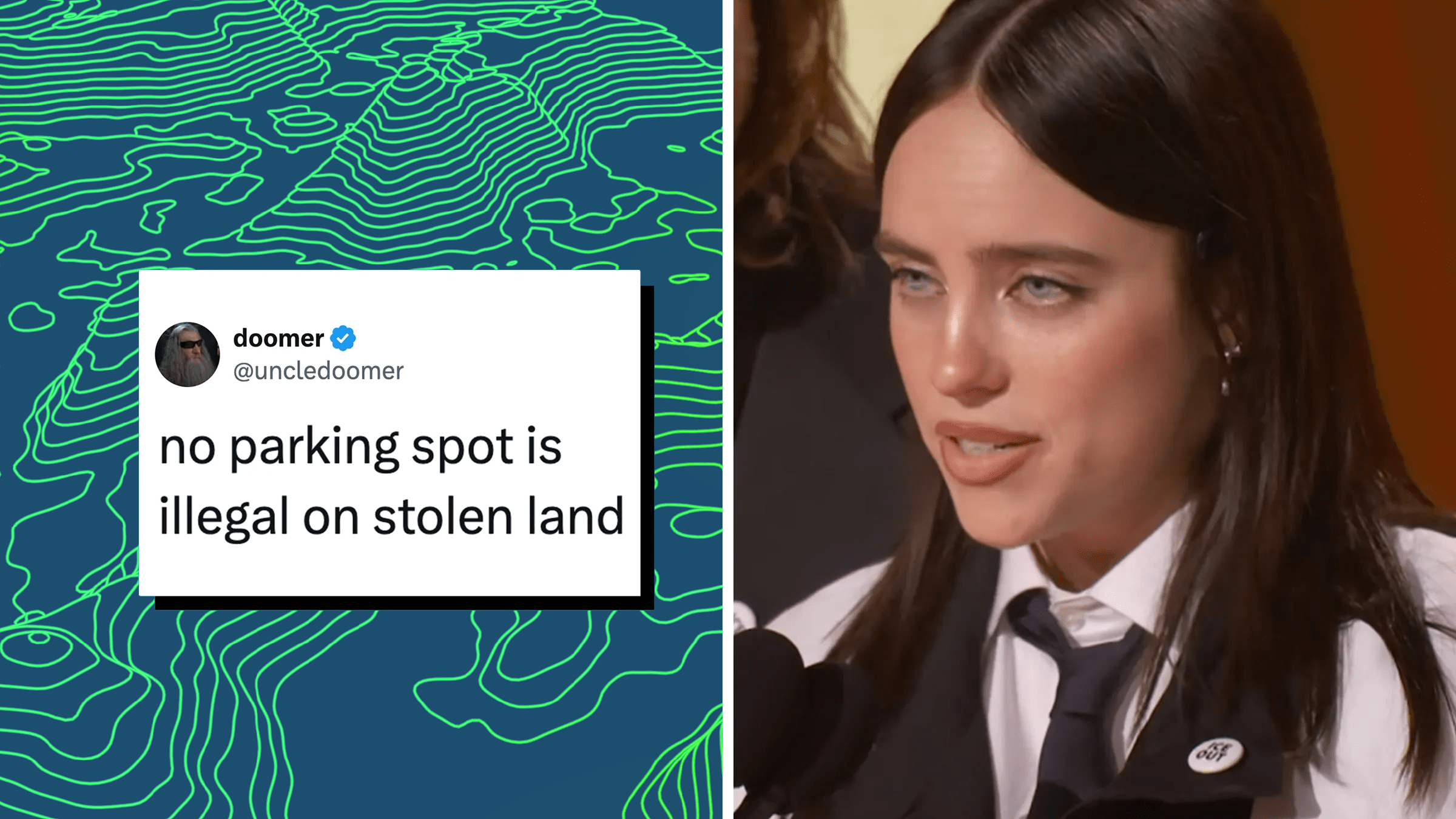
How “no one is illegal on stolen land” turned into the internet’s dumbest meme
"Nobody is 'unemployed' on stolen land, mom."
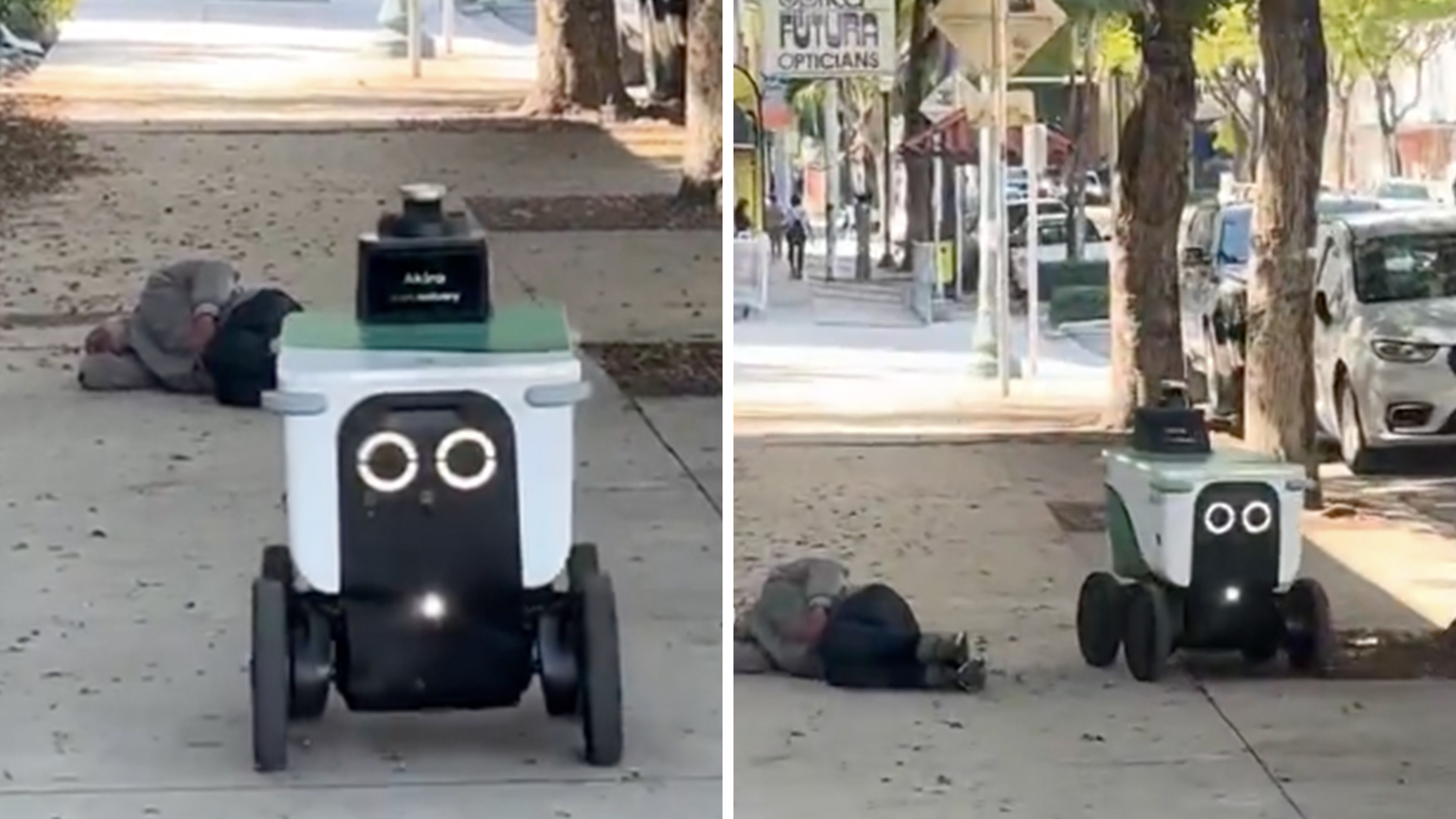
“Nothing right about this reality”: 3 million people watched a delivery robot sidestep a homeless man in Miami
"They are becoming more like us every day."
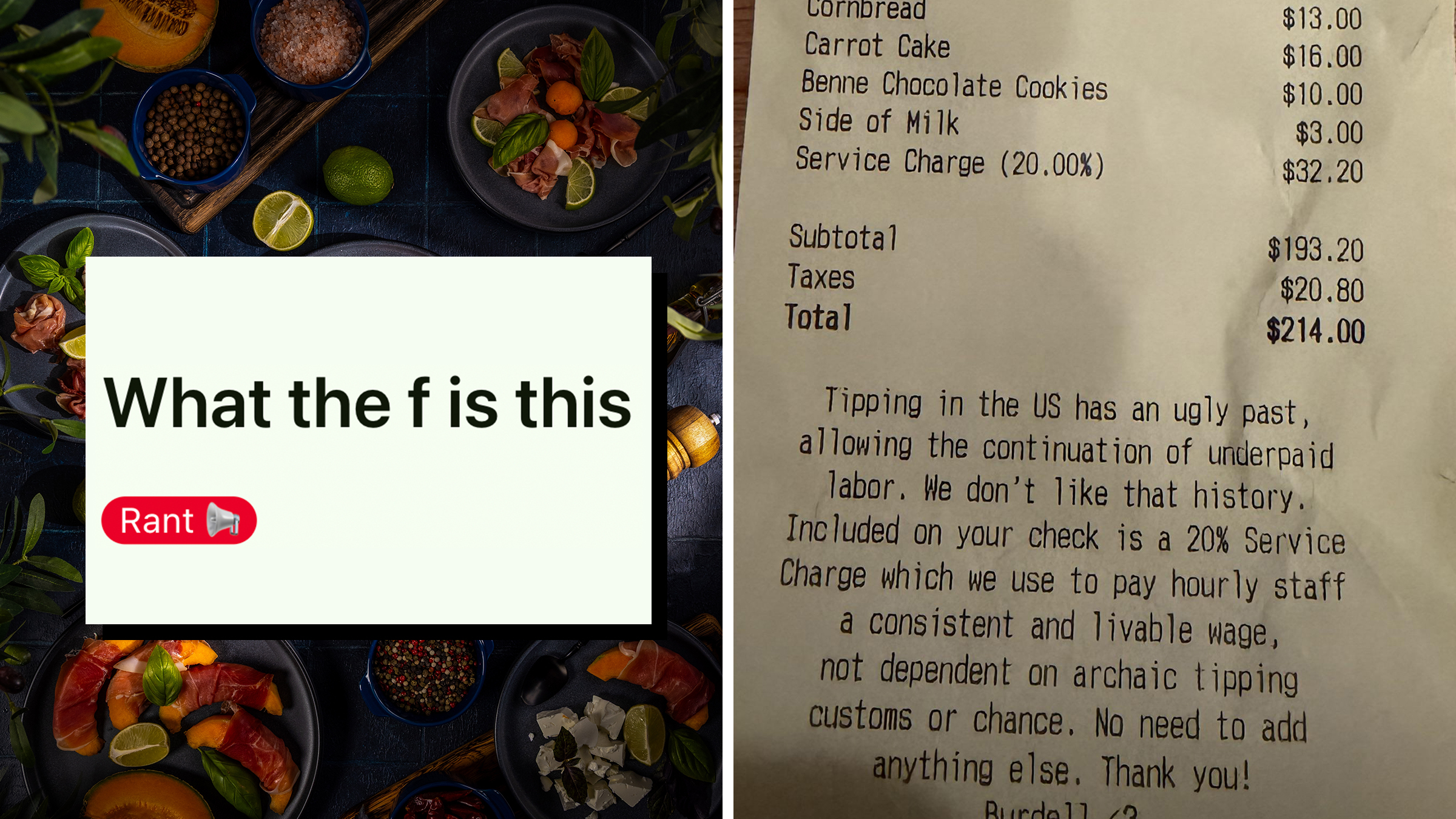
“Tipping in the US has an ugly past”: Diner upset over a 20% no-tipping fee
"Tipping in the US has an ugly past, allowing the continuation of underpaid labor."
Catherine O’Hara was honored at the Westminster Dog Show in a brief-yet-fitting tribute
"Well, they say you never forget Cookie Fleck."

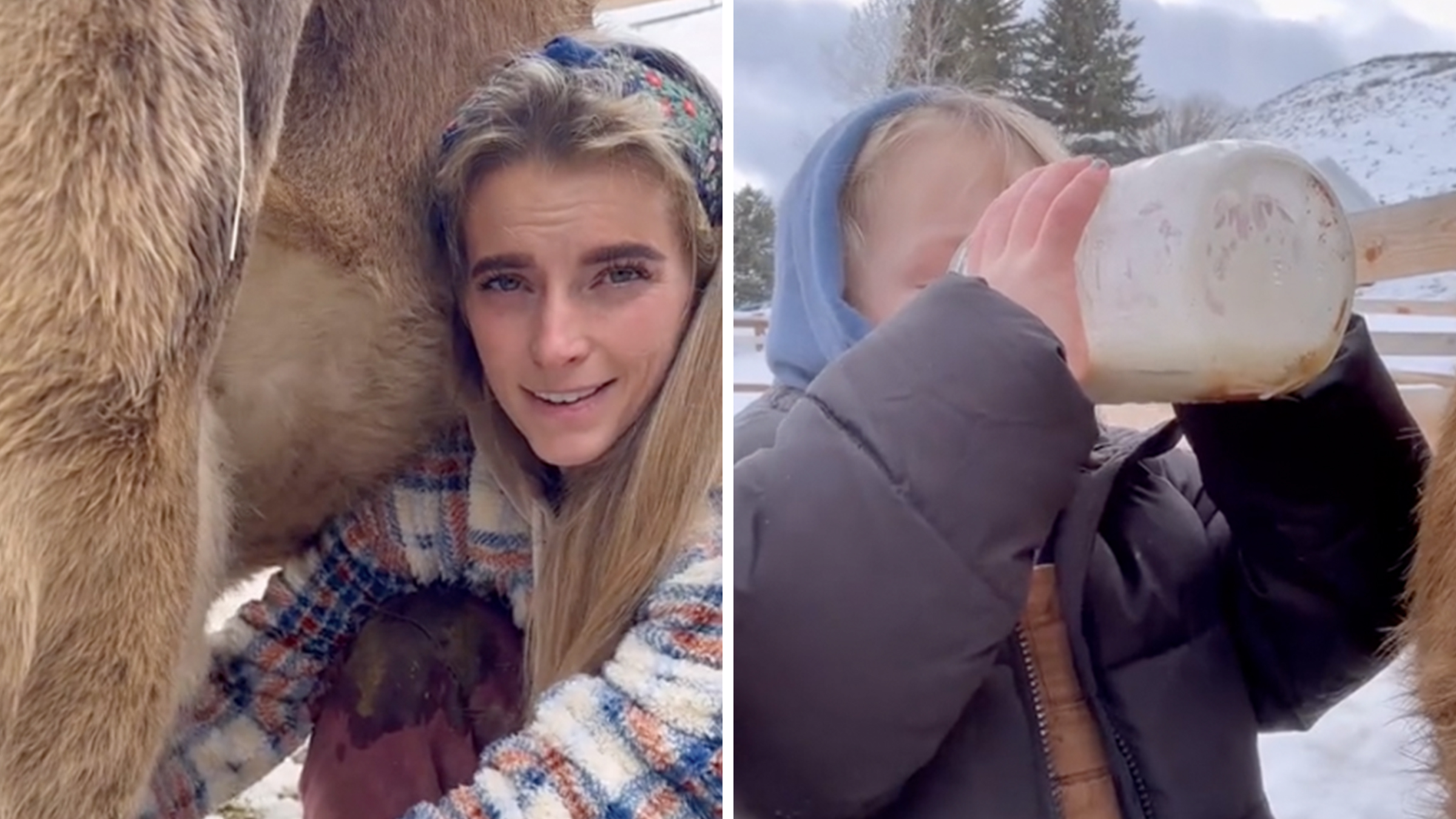
Ballerina Farm pulls raw milk after bacteria turns up in testing
"To a normal farming family, this kind of error would mean financial ruin."
Culture
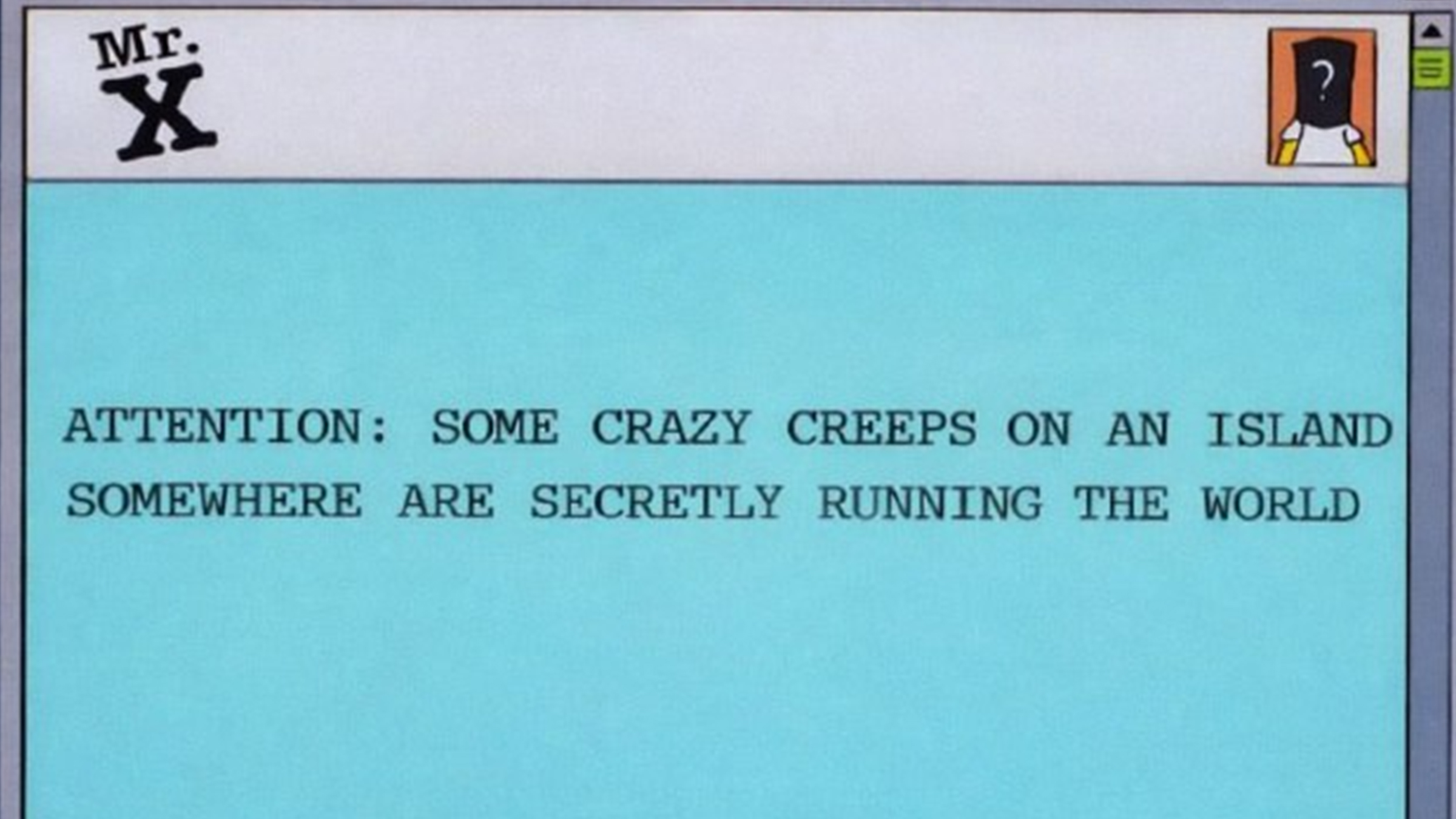
An old “Simpsons” episode about “crazy creeps on an island” is fueling conspiracy chatter
Matt Groening's alleged Epstein connection is back in the discourse.

“Bad on so many levels”: Jason Bateman tells Charli XCX she might want kids if she met the right guy. She’s married
This is why you Google someone before interviewing them.

Is Moltbook, the social network for AI agents, actually real? Kind of
Turns out humans can script Moltbook bots.

Entertainment
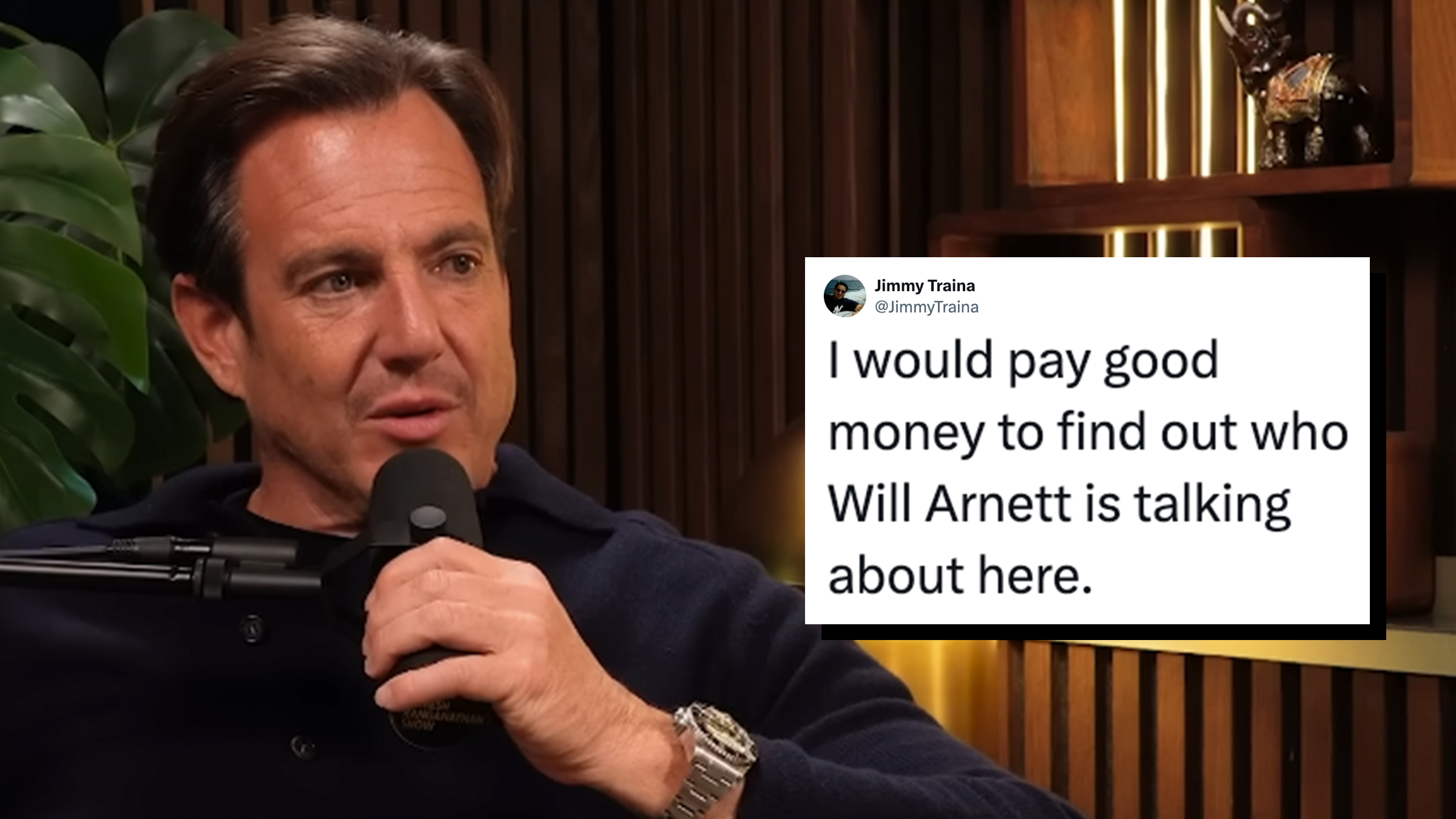
“Truly boring people”: Will Arnett shares his brutal take on tattoos
I guess it's nice that a controversial opinion is actually controversial for once.
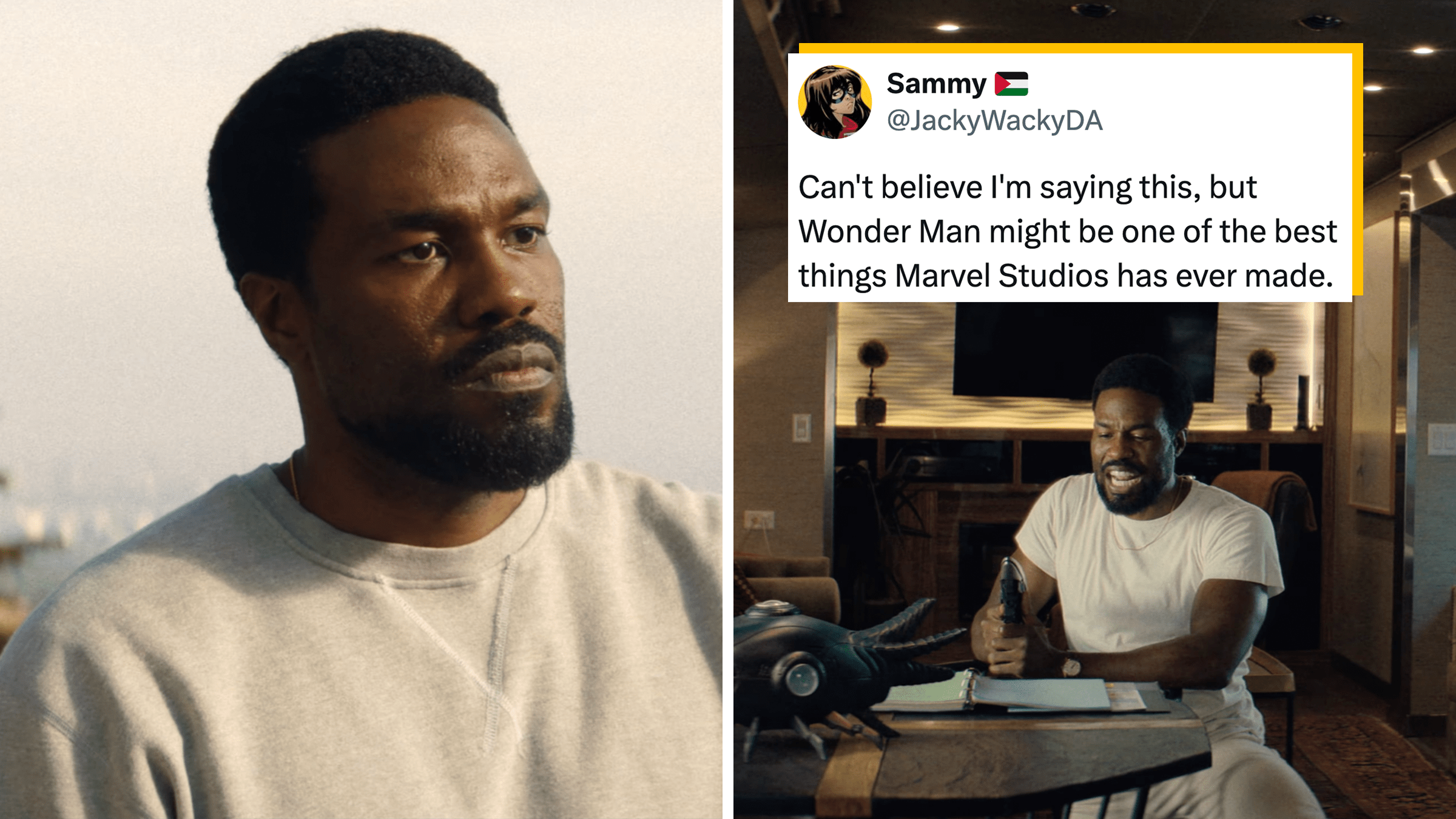
“Wonder Man” is a surprise hit for the MCU. Some fans say Disney didn’t promote it enough
Marvel fans are debating Wonder Man's marketing strategy, but they all agree on one thing: it's great.
“The favoritism…it gets to a point”: Why Billie Eilish’s Song of the Year Grammys win confused and angered so many viewers
"This is completely unfair and disrespectful towards her peers."

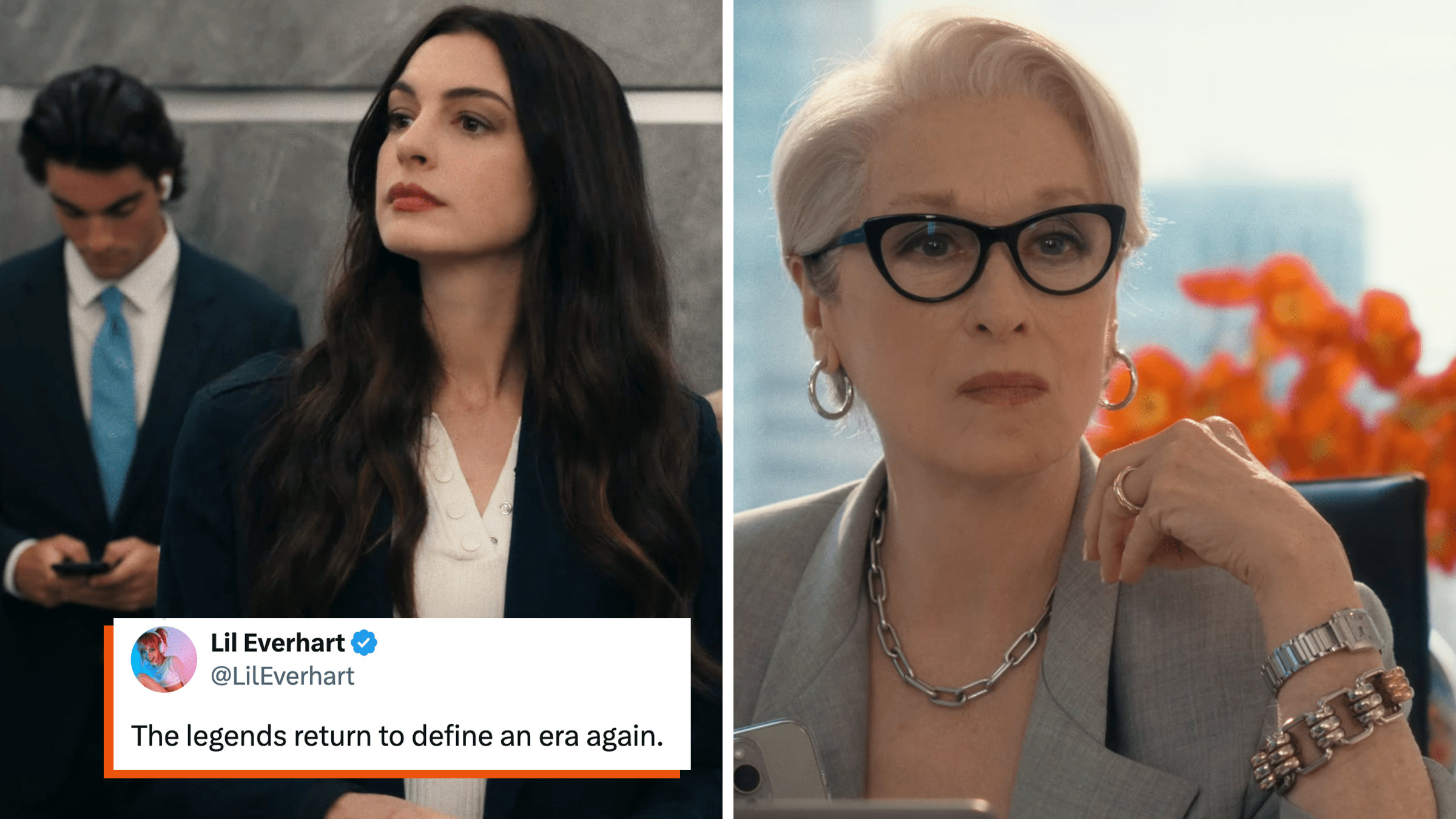
Fans are dissecting every detail in the new “Devil Wears Prada 2” trailer
20 years later and still flawless.
Tech
Reddit moderator removes space photo posted by NASA astronaut for being too blurry: “Hopefully this won’t happen again”
"Reddit mods love feeling important."

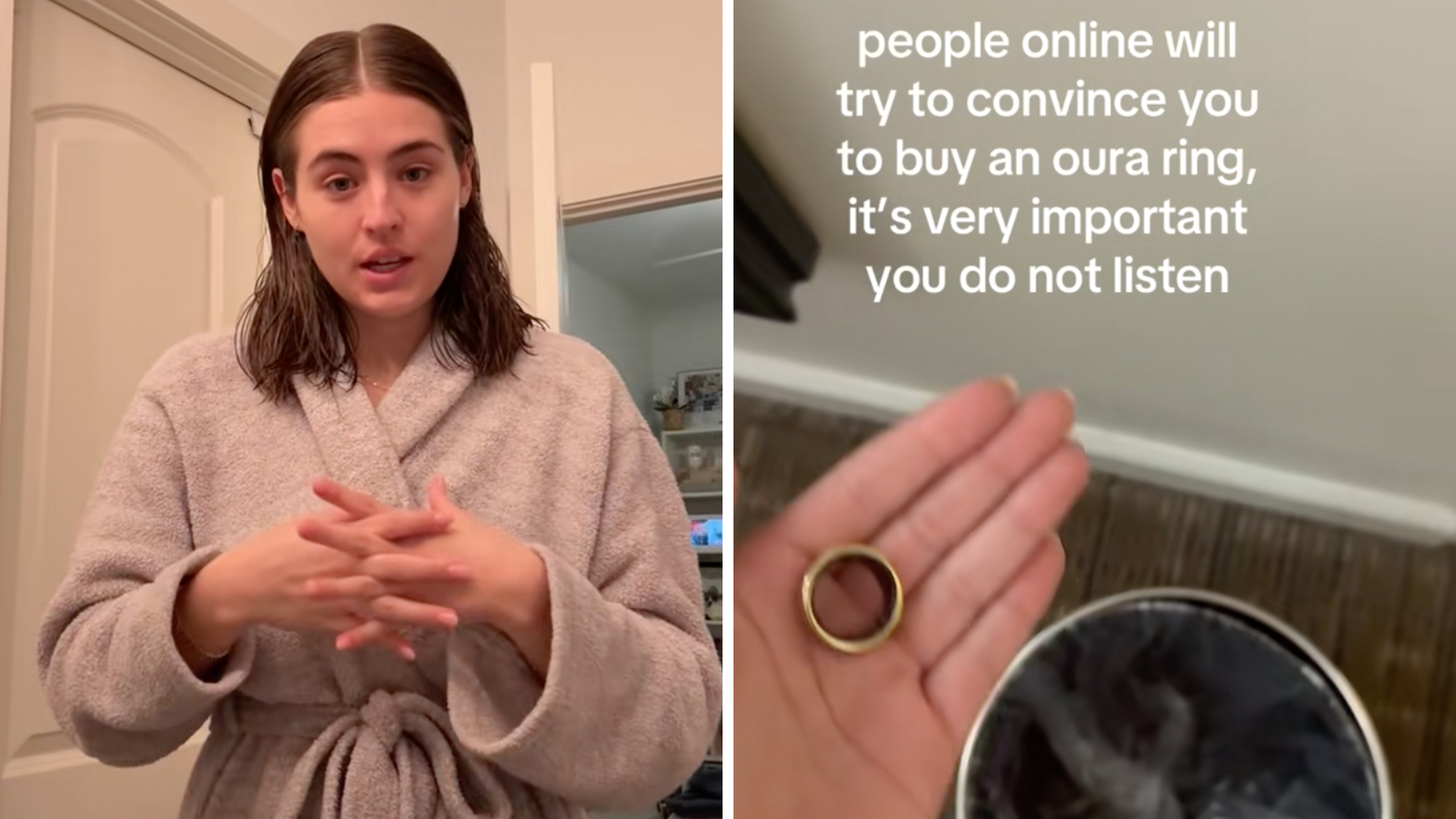
“Number one worst purchase”: Woman buys an Oura Ring, then throws it in the trash
Oura Ring has since shipped Riley a replacement device.
“Dispatch” devs apologize after fan confusion over censorship on the Nintendo Switch: “This is 100% our mistake”
"Censorship is bad and preordering a game should get you institutionalized."

“There goes four years of schooling”: Animators across the industry react to Adobe Animate shutting down (UPDATED)
"Not only removing it, but locking access to created files is unnecessarily diabolical."

Memes
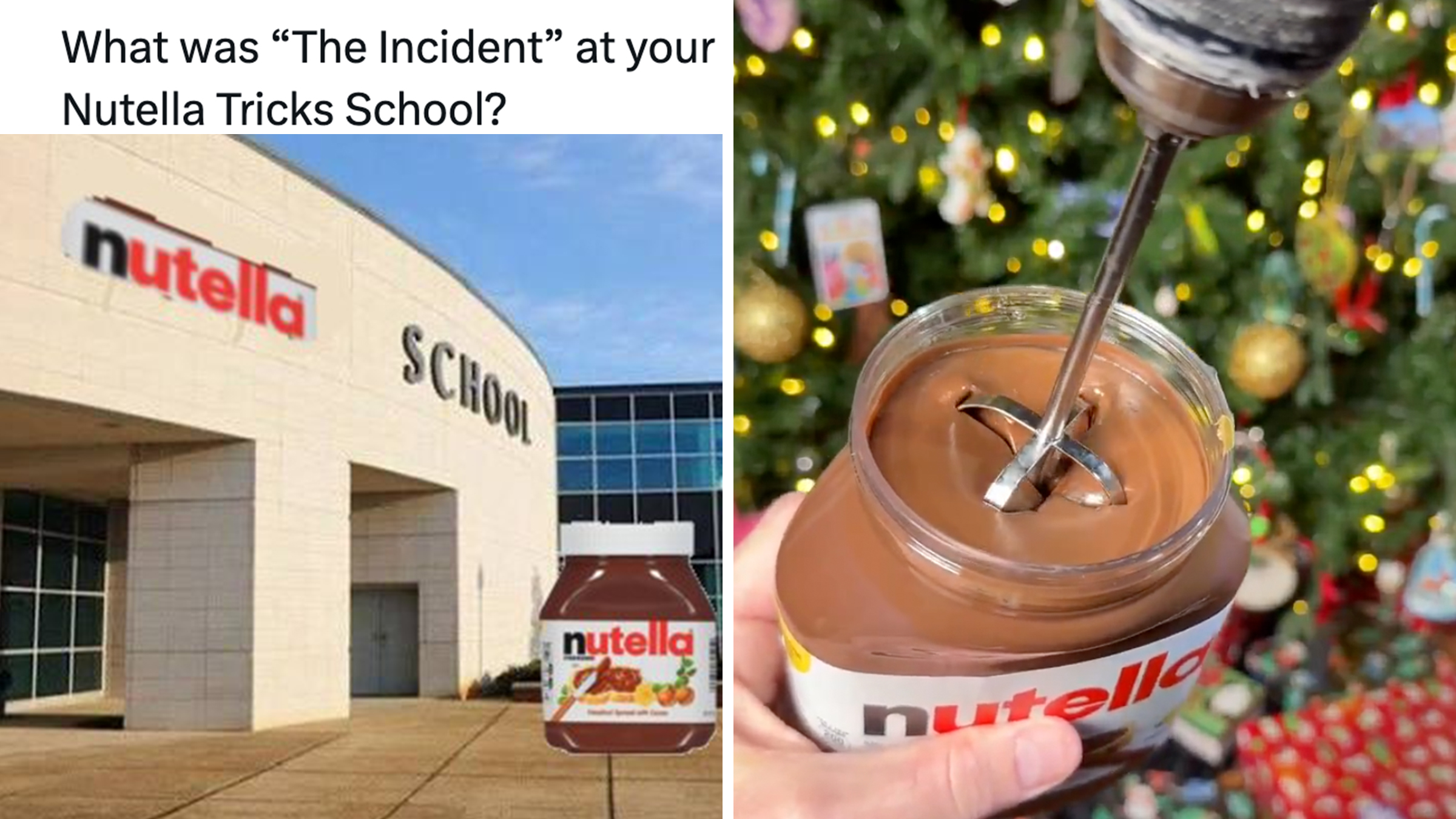
The “Nutella Tricks” meme is currently the internet’s favorite inside joke
"My Nutella tricks exam is in 10 minutes and I didn't study..."
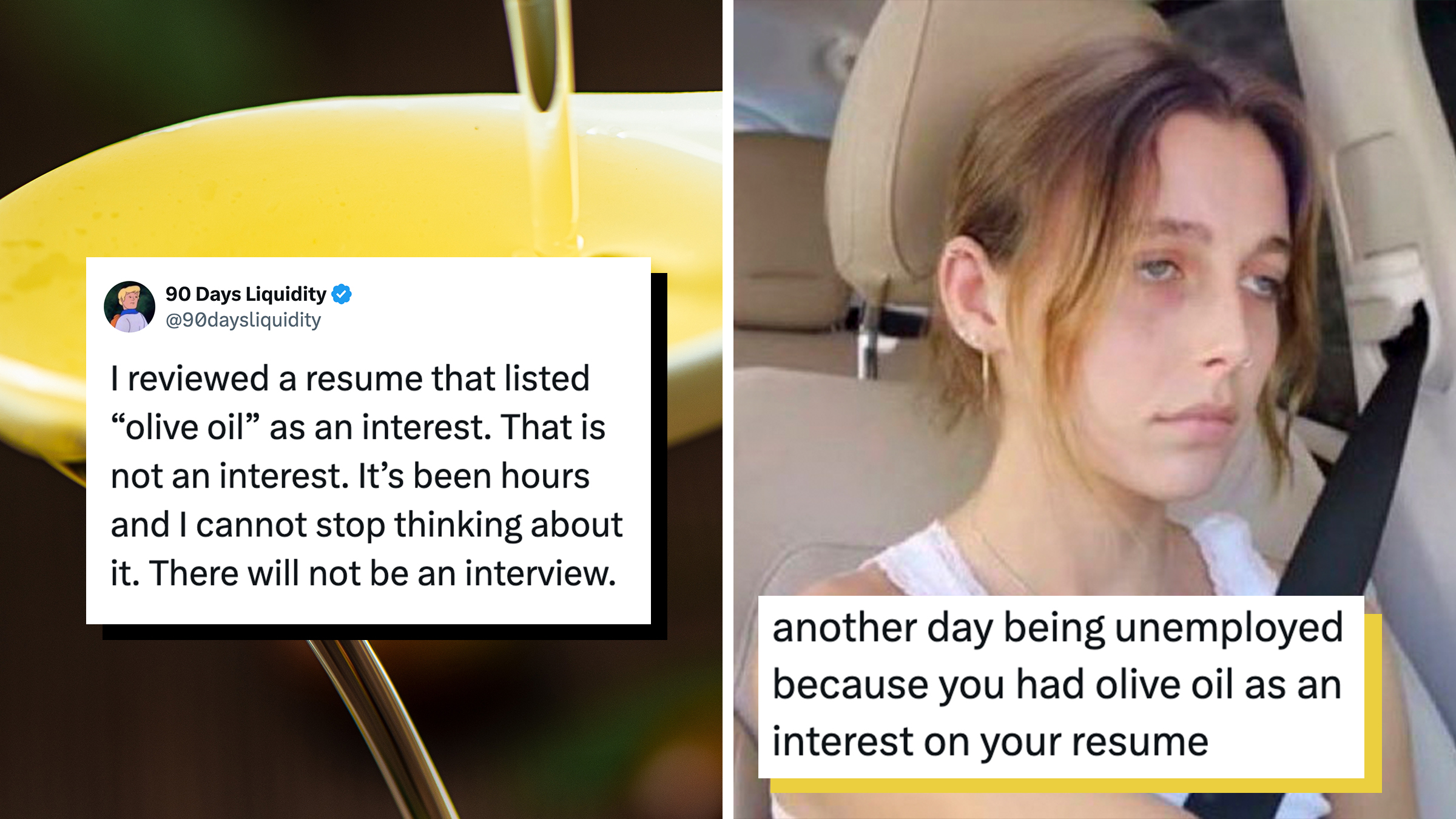
A hiring manager trashed a resume over olive oil. Now it’s a massive meme
"Olive oil is a refined, exquisite interest."
“How do you get that hair?”: A woman’s cream cheese review goes viral for the wrong reasons
Come for the no-nonsense cream cheese recommendation, stay for the blow-out.

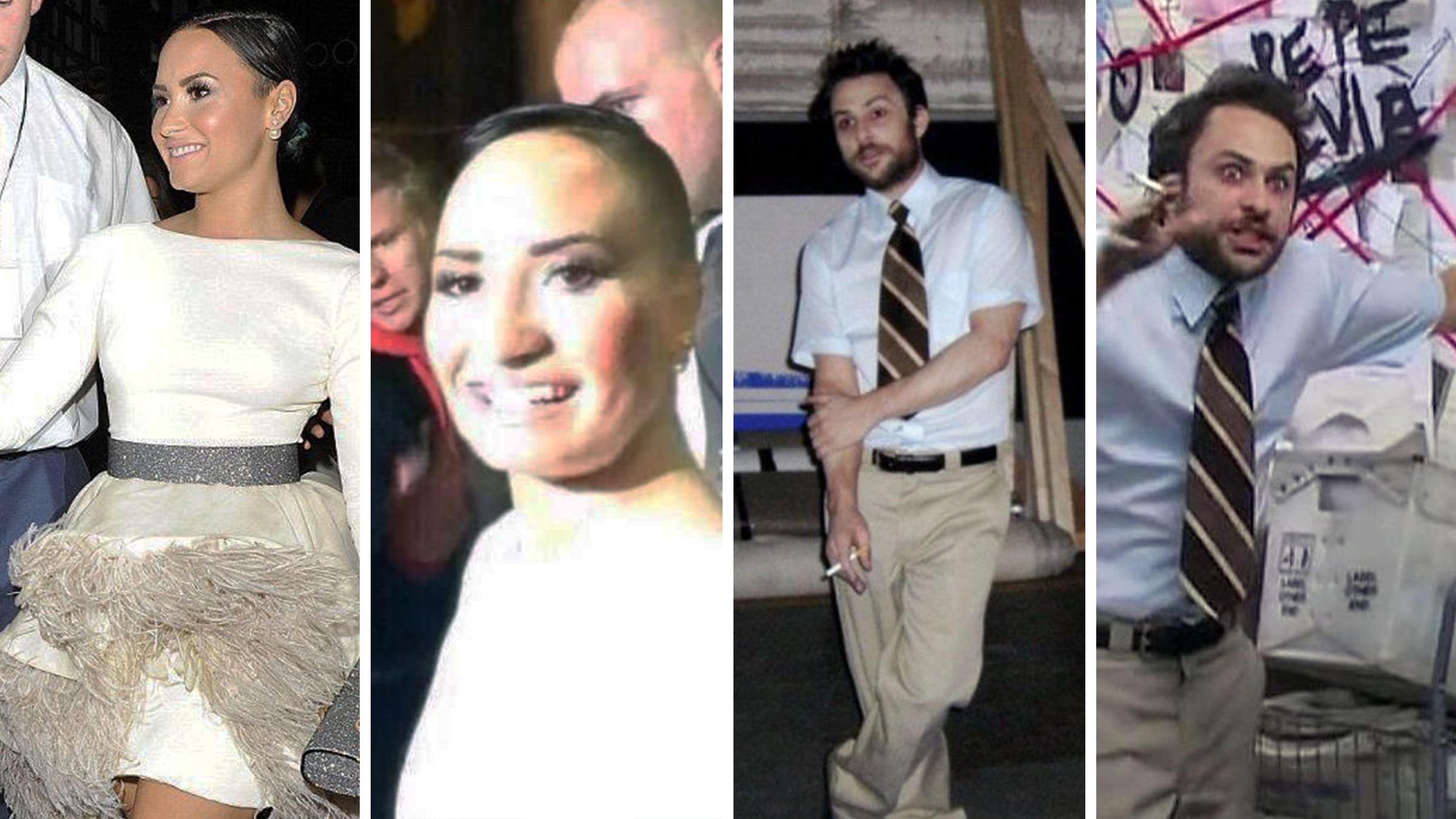
The “getting ready to make history” meme shows the before-and-after of the internet’s most viral moments
The internet is looking back on history-making moments.
Travel
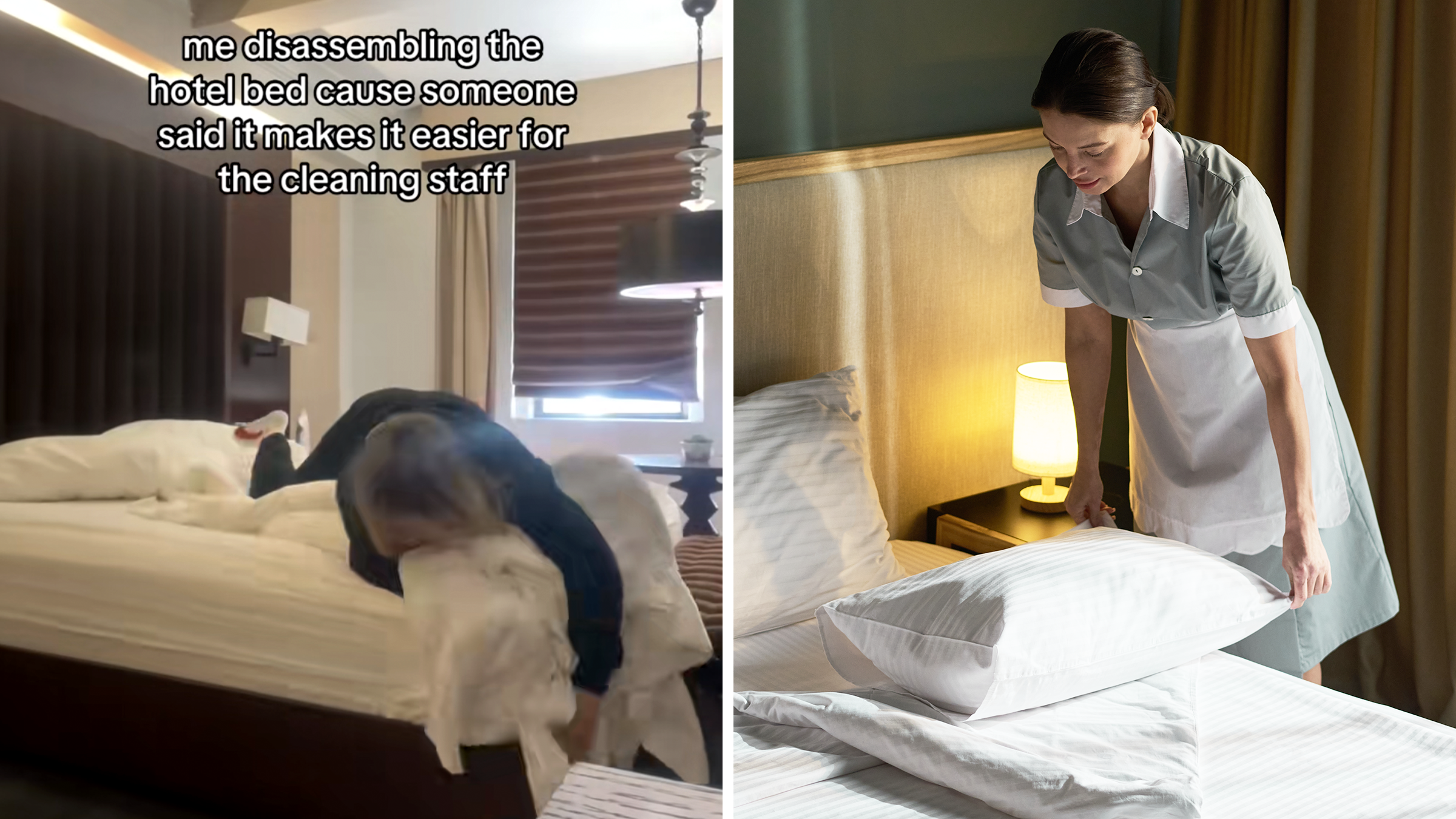
“You are an ANGEL”: TikTokers offer tips on how to make housekeeping’s job easier
"It is a physically demanding job."
“American?”: Traveler who didn’t know what happened in the Roman Colosseum sparks historical debate
"Knowing history doesn’t make you immune to human emotion."

“Dancing With the Stars” champ complains that Delta staff kept shushing her kid on a 13-hour flight
Is she being honest about how loud he was, though?

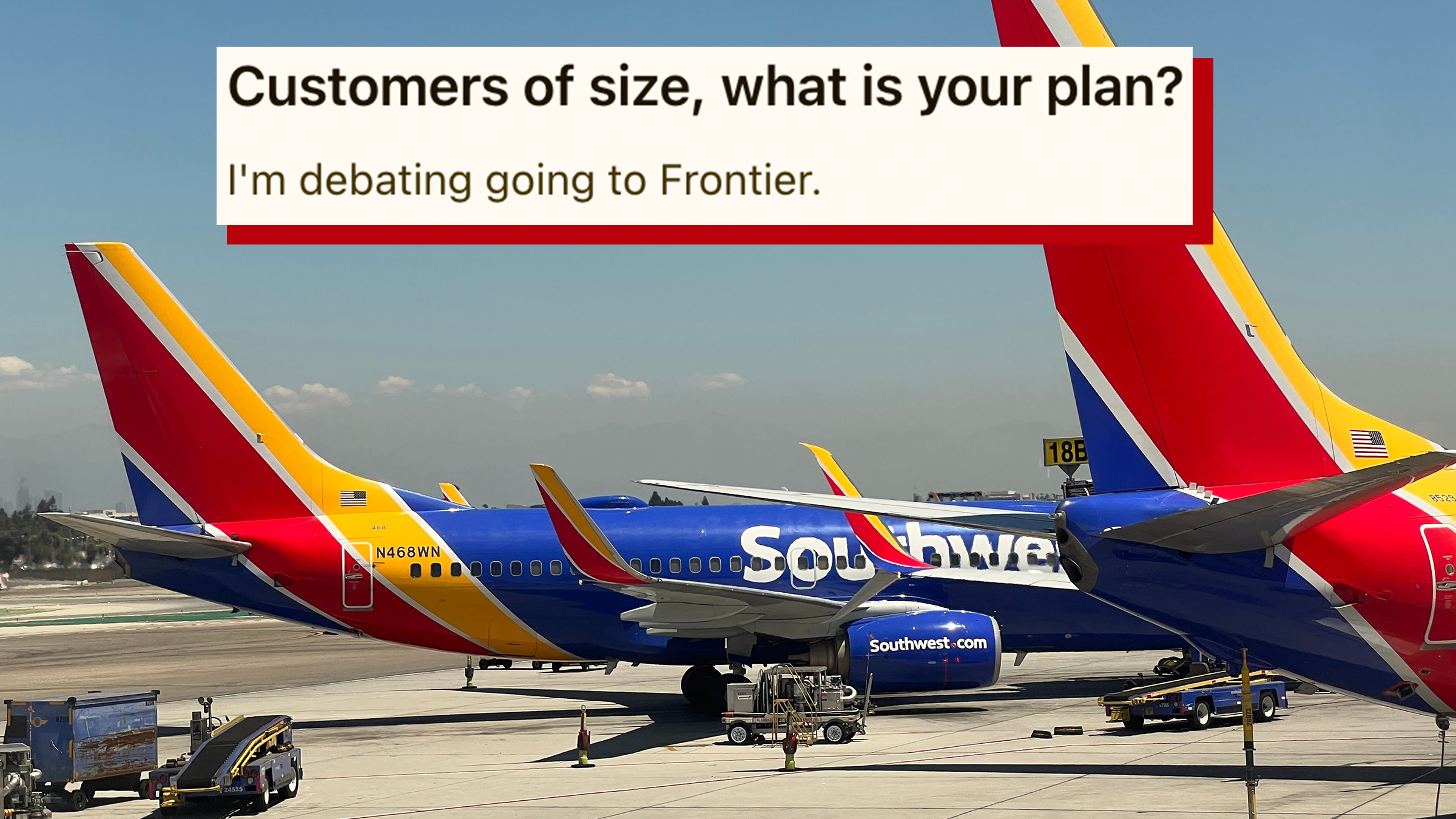
“I’m switching airlines”: Plus-size passengers react as Southwest rolls out controversial new seating policy
"We will now shop around to find the most economical option, with no expectation of reimbursement."
Viral Politics
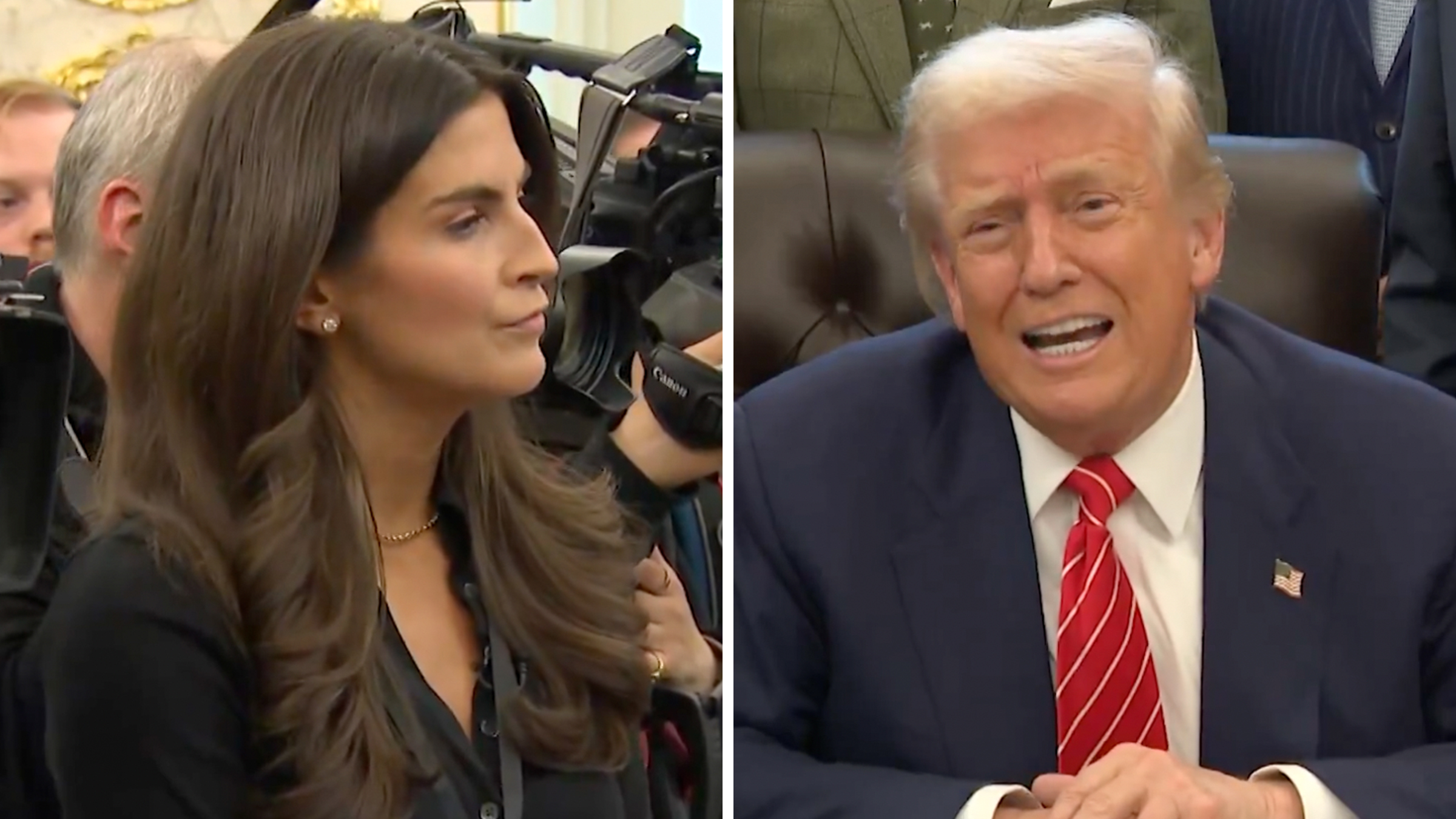
CNN’s Kaitlan Collins pushes back after Trump calls her “the worst reporter,” scolds her for not smiling
"I've known you for 10 years. I don't think I've ever seen a smile on your face," President Trump told the reporter.
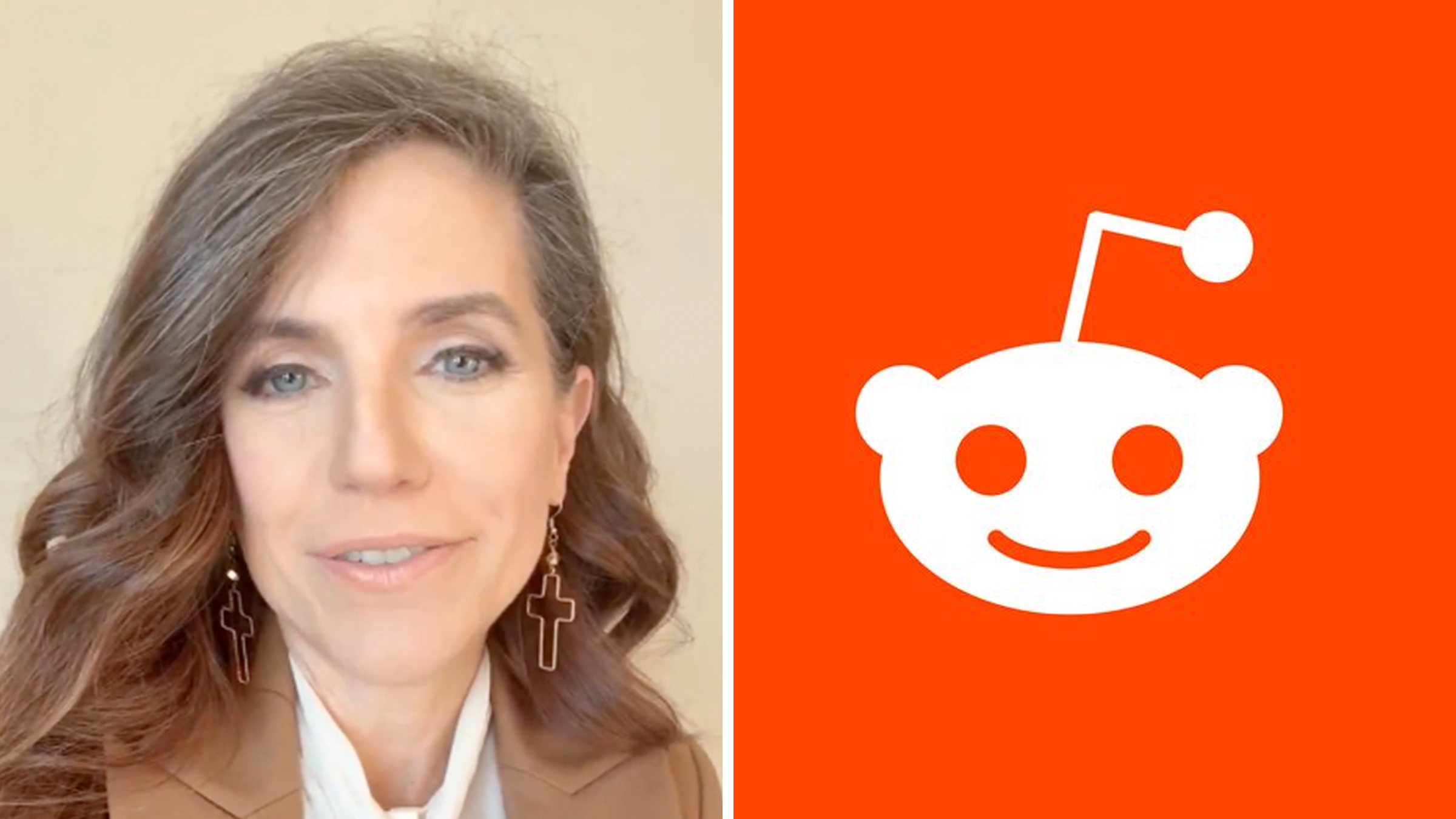
Rep. Nancy Mace made aides upvote her in Reddit “who’s hotter” posts, former staff allege
"The 'everyone is twelve' theory guy remains undefeated."
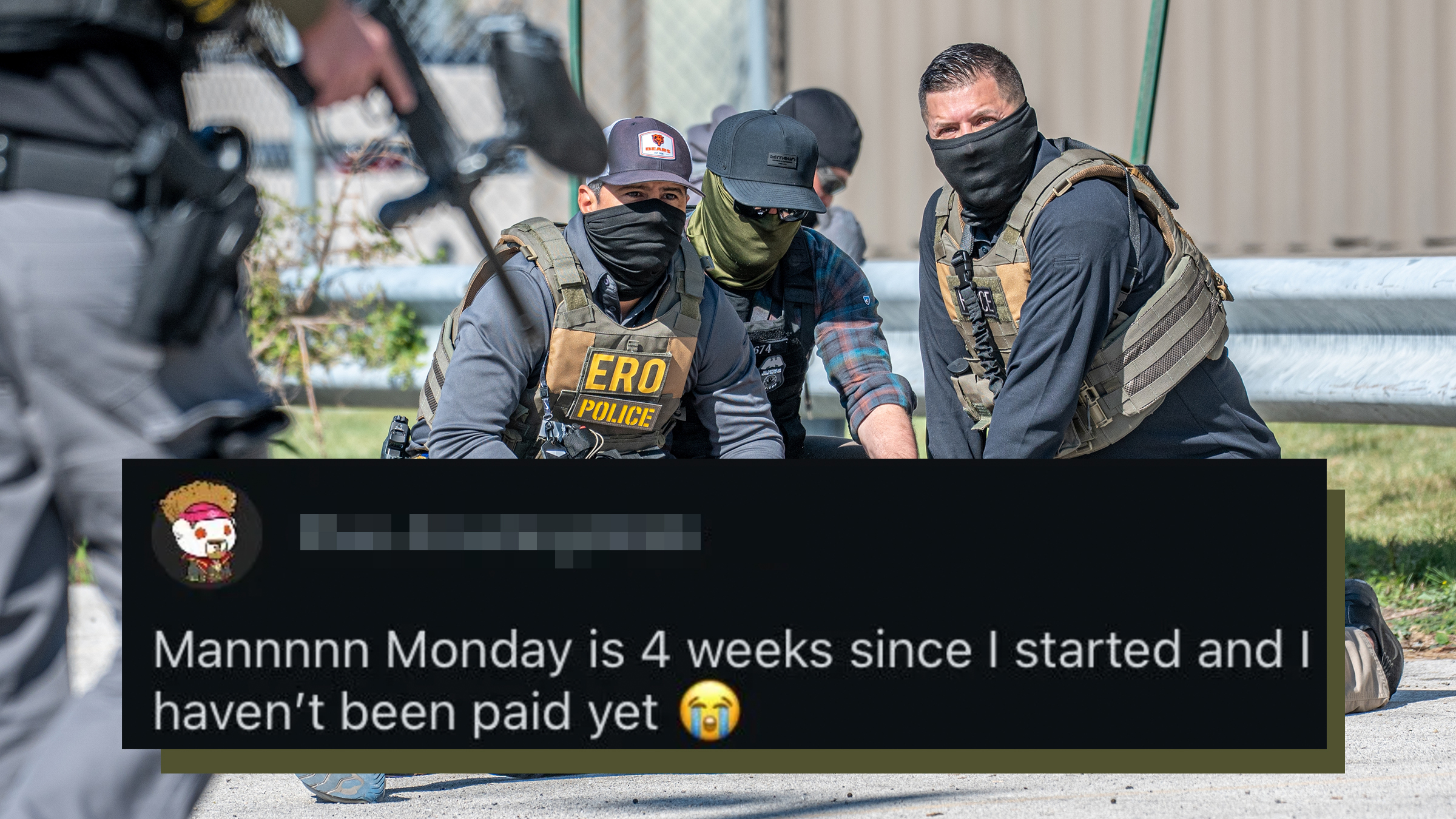
“Don’t expect much”: ICE agents are venting about missing pay and benefits on Reddit
"Been here 2 months, still waiting for my health insurance..."
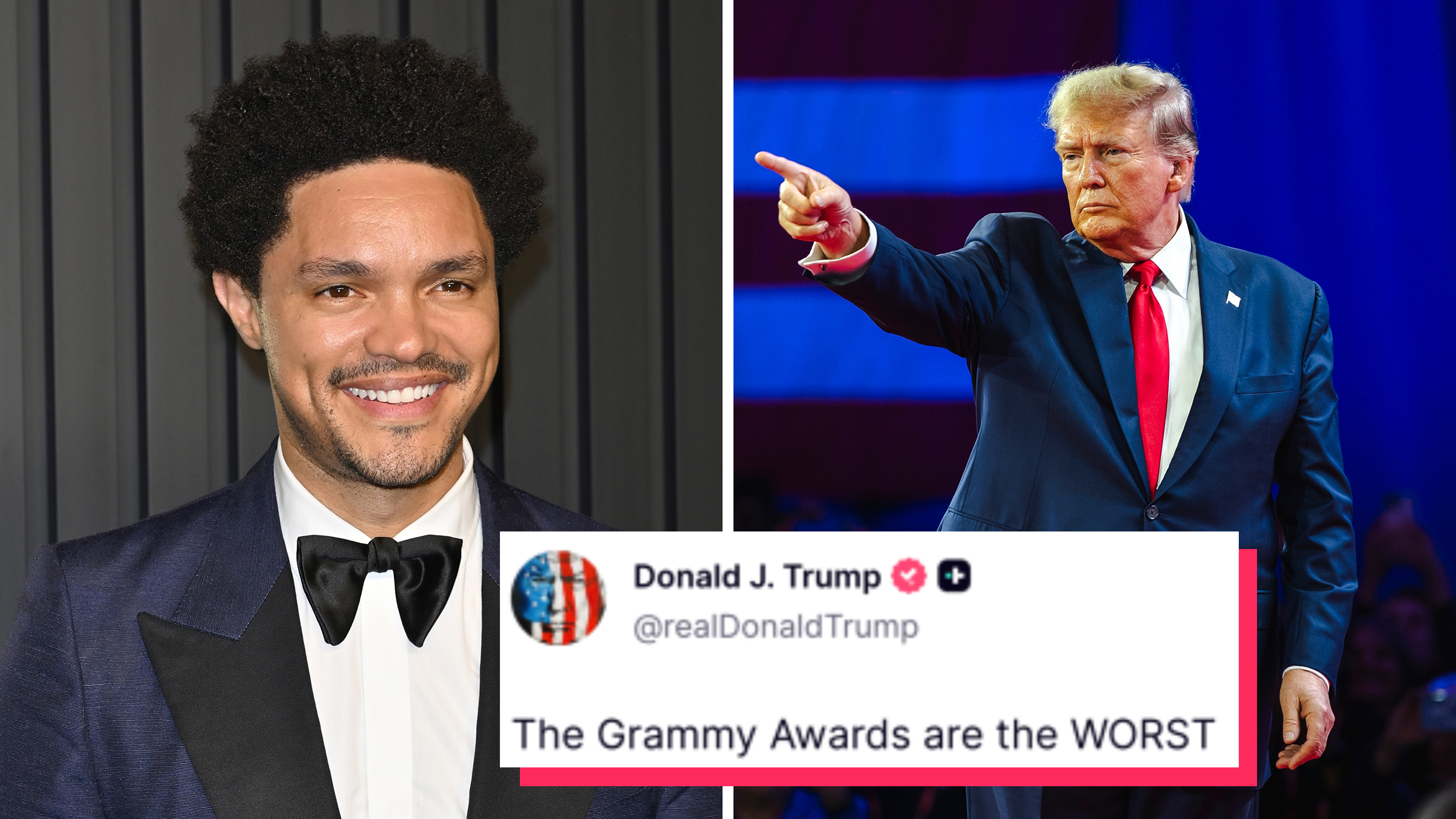
“Poor, pathetic, talentless, dope”: Trump threatens to sue Trevor Noah over Grammys joke about Epstein
"Noah, a total loser, better get his facts straight, and get them straight fast."