Discussions over airline etiquette and passenger expectations have been triggered by a recent incident in which a passenger requested a free upgrade to first class during a flight. Even though premium cabins are luxurious and comfortable, airline regulations and fairness continue to play a significant role in how upgrades are managed.
A lady and her teenage child reportedly asked a flight attendant whether they could be transferred to first class on a long-haul flight. Although the request was made courteously, it was not based on any qualification for an upgrade, such as operational requirements, overbooking, or loyalty status.
A user on Reddit posted this story: “I was on an international flight today, and a mom was flying with her teenage son.” "Just as the last passengers were filing on, the mom flagged down a flight attendant and said, 'I'm just wondering if my son can fly in first class [Delta One] — would that be OK? He'd really like that...'"
The user continued, “The flight attendant said, 'Oh, no... that's not possible.'" Then the user continued how the flight attendant handled the situation, "About 10 minutes later, after everyone was on board, the flight attendant came back and took several minutes to explain why they couldn't move the kid to Delta One."
"And lightheartedly chatted with the mom and son and promised to do anything he could to make their flight as good as it could be," the user wrote. "It was honestly the sweetest thing I've witnessed (on Delta or elsewhere) in a really long time."
Flight attendants are trained to handle these kinds of situations with caution. Upgrades are typically only available to individuals with elite status, frequent travelers, or those with operational needs.
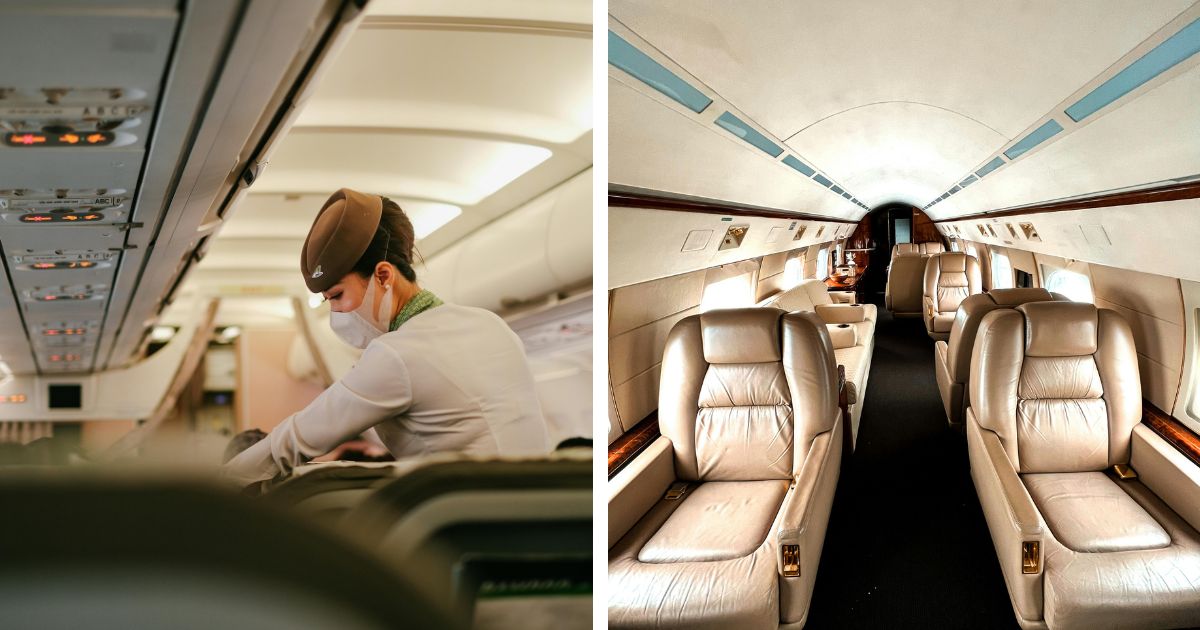
Giving up expensive seats without a good explanation may make other travelers unhappy. Better food, wider seats, more legroom, and a quieter space are all characteristics of first-class cabins.
Frequent business travelers frequently use accumulated miles to upgrade, making the trip more affordable without having to pay full price. Even first class, according to aviation experts, operates in the same airplane environment.
Passengers continue to be in a shared area, experience turbulence, and adhere to the same safety rules. The general travel conditions are not entirely different from the rest of the airplane, despite the increased level of comfort.
To ensure fairness, airlines maintain strict policies regarding upgrades. Particularly on long overseas flights, a first-class ticket might cost thousands of dollars. Giving anything out for free without a good cause will annoy loyal members and paying clients.
In contrast to hotels or restaurants, where minor benefits might be provided upon request, airplane seating follows a set procedure. Upgrades are not random requests, they are a part of loyalty programs and revenue management.
In this case, there was no conflict at the end. The flight proceeded without any problems when the passenger agreed to the decision. The request was handled professionally by airline staff, preventing a more serious problem.